The Solo Traveler Surcharge: Why Ryokans Charge You More (And How to Beat It)
Ryokans charge per person, not per room. Solo travelers pay double or get refused entirely. Here's how the pricing works and how to beat it.
You found the perfect ryokan. Mountain views, milky onsen water, kaiseki dinner included. You click through to book.
One adult. One night.
The price doubles. Or worse: “No availability.”
This isn’t a glitch. It’s the system working exactly as designed.
Japanese ryokans don’t charge per room like Western hotels. They charge per person. And when you’re one person occupying a space built for four, the economics turn against you. The “single occupancy penalty” isn’t personal—it’s structural. But once you understand how it works, you can navigate around it.
Why the Surcharge Exists
The ryokan business model is fundamentally different from what you’re used to. Understanding the mechanics explains why solo travelers face friction—and reveals where the workarounds hide.
The Tatami Math Problem
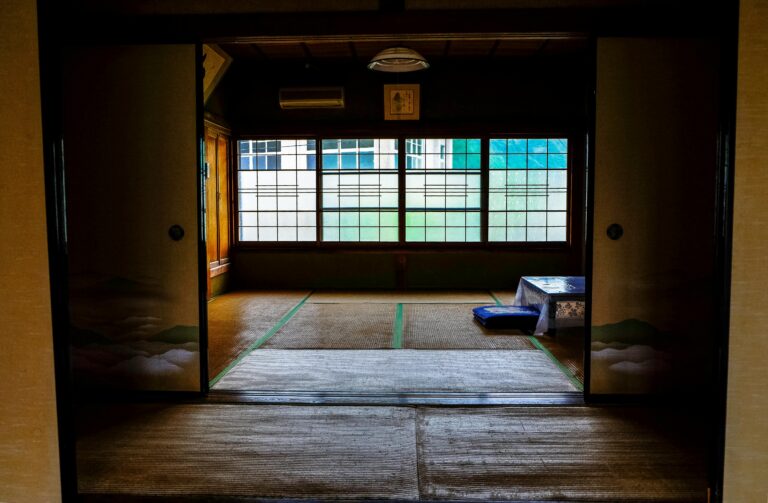
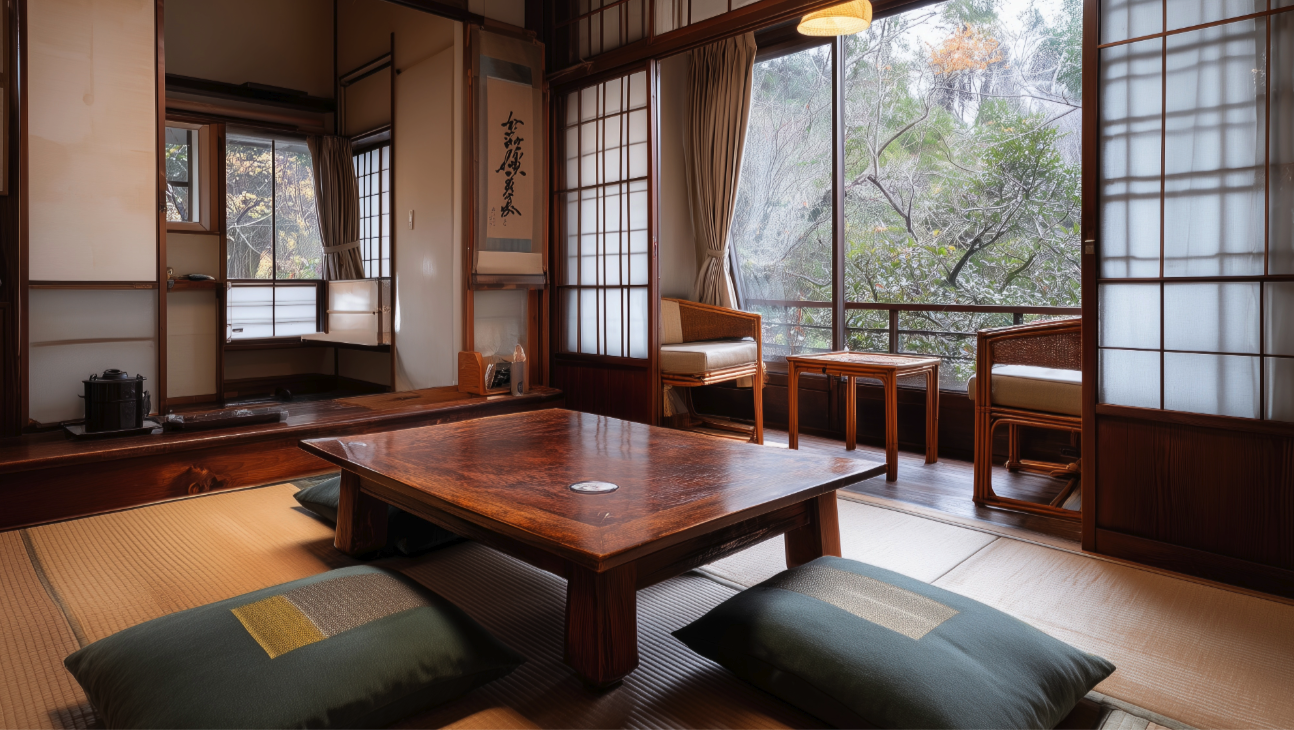
Western hotels sell fixed inventory: a king room fits two adults, period. Ryokan rooms are measured in tatami mats—typically 8 to 12 mats of flexible floor space where futons get laid out at night. That same room can sleep one person or five.
When you book solo, you’re consuming a room that could generate four or five times the revenue with a family booking. A room at ¥20,000 per person yields ¥80,000 with four guests. With one guest, it yields ¥20,000. Same square footage, 75% less income.
The surcharge attempts to recover some of that lost yield. A 50% markup on a solo booking still leaves money on the table compared to a full room, but it’s better than nothing.
During peak seasons—Golden Week, Obon, New Year—even a 100% surcharge can’t match group revenue potential. That’s when ryokans block solo bookings entirely. It’s not that they don’t want your business. It’s that your business costs them money relative to what they’d earn from a family.
The Kaiseki Labor Trap
High-end ryokans serve dinner in your room. A dedicated attendant (nakai-san) brings courses sequentially—eight to twelve plates over two hours—sets the table, clears dishes, and provides attentive service throughout.
Here’s the problem: serving one person takes almost as much labor as serving two. The attendant still walks the same hallways, still times the same courses, still engages in the same hospitality rituals. But the revenue from a solo guest is half what a couple generates.
In an industry facing critical staff shortages, labor efficiency matters. Some ryokans refuse solo bookings not because the room isn’t available, but because they can’t justify the staffing math.
The Cultural Residue
There’s a darker historical layer. Decades ago, ryokans in dramatic locations—cliffsides, remote mountains—viewed solo travelers, particularly women, as potential suicide risks. This defensive posture led to blanket refusal policies.
That perception has largely faded in modern properties, but it lingers in some family-run establishments. You might also encounter the concept of sabishii (loneliness)—staff genuinely believing that eating alone in a large banquet room will feel sad, reflecting poorly on their hospitality. Refusal, in this logic, is protective.
Neither of these should stop you. They’re legacy attitudes, not universal policy. The market has moved.
The Platform Problem (And How to Fix It)
Before you can find solo-friendly ryokans, you need to escape the booking platforms that hide them from you.
Why Booking.com Fails You
Western OTAs are built on Western hotel logic. When a ryokan pushes inventory to Booking.com or Agoda, they typically map their standard room to “Double Occupancy.” Search for one adult and the system either shows you the full double price (you’re paying for a phantom second guest) or returns “No Availability” because the ryokan blocked solo bookings on that high-commission channel.
This isn’t the ryokan refusing you. It’s the platform architecture making solo inventory invisible.
The Domestic Platforms That Actually Work
To access real solo inventory—rooms specifically priced for single occupancy—you need Japanese booking sites.
Navigating Japanese booking sites on mobile is significantly easier with a local data connection — Sakura Mobile eSIM activates before you land and keeps you online without roaming charges from the moment you arrive.
Jalan.net is the gold standard for ryokan searches. It has a dedicated hitoritabi (solo travel) filter that surfaces properties actively welcoming single guests. More importantly, Jalan shows a calendar matrix view where you can see exactly when prices spike—Tuesday at ¥15,000, Saturday at ¥35,000. That transparency lets you optimize dates rather than guessing.
Jalan also catches distressed inventory. A ryokan with an empty room two days out will release it as a single-occupancy deal on Jalan while keeping it blocked on international OTAs.
Rakuten Travel offers similar depth, and its Japanese-language listings surface even more single-occupancy plans than the English-language version. Search for ビジネス (business) plans—stripped-down packages with no dinner and late check-in, designed for solo travelers. These plans are often invisible on the English site.
The keyword 訳あり (wake-ari, meaning “with a reason”—usually a compromised view or location near the elevator) unlocks discounted rooms that work perfectly fine for one person.
Japanican (run by JTB) is the most foreigner-friendly but typically the most expensive. Properties listed here are “foreigner ready” with English support, but they’re also the most commercially aggressive with surcharges. Use it as a fallback when language is a barrier.
The Secluded Onsen Underground
For travelers prioritizing authenticity over convenience, the Nihon Hitou wo Mamoru Kai (Japan Association of Secluded Hot Spring Inns) is essential.
Member properties are rustic, remote, and family-run. Their business model centers on toji—hot spring therapy—which is historically a solitary, contemplative pursuit. These inns are culturally predisposed to welcome solo travelers in ways that tourist-focused Hakone ryokans are not.
Many don’t list on OTAs at all. Booking requires visiting their website or calling directly. The association’s stamp book program encourages solo travelers to visit ten properties for a free night, creating a dedicated ecosystem of independent onsen enthusiasts.
The Strategic Booking Workflow
Maximize your odds with this sequence:
Step 1: Sweep domestic platforms first. Use browser translation on Jalan and Rakuten JP. Filter for one person, two meals. Note the prices and availability.
Step 2: Check “room only” pricing. Toggle to su-domari (no meals). This often reveals availability at high-end properties that appear sold out for full-board solo bookings.
Step 3: Verify the ryokan’s direct site. Many now use booking engines like Tripla that offer direct-booking benefits—sometimes a waived single surcharge or complimentary private bath access.
Step 4: Check the Hitou Association. If commercial areas are overpriced or unavailable, the secluded inns offer alternatives most travelers never discover.
Regional Breakdown: Where Solo Travelers Win (And Lose)
Not all onsen towns treat you equally. Your experience depends heavily on the region’s target demographic and economic pressures.
Tokyo: The Urban Ryokan Revolution
Tokyo has pioneered the “modern ryokan”—properties blending traditional aesthetics with hotel-style efficiency. These are the most accessible options for solo travelers.
Onsen Ryokan Yuen (Shinjuku and Bettei Daita locations) is the gold standard. They’ve built dedicated single rooms—compact tatami spaces designed for one person. Because the room itself is sized for solo occupancy, there’s no surcharge. They truck in real onsen water from Hakone. This is what accessible solo ryokan travel looks like.
Hoshinoya Tokyo operates as a luxury “tower ryokan” in Otemachi. Many plans price per room rather than per person, letting solo business travelers experience high-end kaiseki without the structural penalty.
Andon Ryokan (Minowa) targets international backpackers with small, functional tatami rooms and communal bathing. They bypass the kaiseki labor problem by offering simple breakfasts and encouraging guests to dine out.
Hakone: The Fortress
Hakone is the hardest market for solo travelers. Its proximity to Tokyo makes it the default couples’ weekend retreat, and yield management reflects that.
On Saturdays, many properties enforce strict two-person minimums. Solo searches return nothing.
The exceptions that work:
Hakone Kowakien Mikawaya Ryokan adapted by offering buffet dining. Removing private service labor lets them host solo travelers at reasonable rates. They also offer rooms with private baths for singles—rare in this market.
Tensui Saryo (Gora) explicitly targets solo luxury travelers. Their kaiseki is served at a dining counter, letting you eat comfortably without the awkwardness of sitting alone at a banquet table. That architectural choice makes them a top solo pick.
Mount View Hakone focuses on their famous milky (nigori-yu) water rather than elaborate service. They offer single rooms and work well for travelers prioritizing the bath over the meal.
Kyoto: Tradition Splits
Kyoto’s intimate machiya ryokans are small and exclusive, making solo bookings structurally difficult. But the market is diverging.
Yasaka Yutone and Sowaka blend hotel privacy with ryokan service. They offer smaller rooms suitable for singles and don’t refuse solo bookings—though price points are high.
For budget-conscious solo travelers, 9 Hours and The Millennials offer high-design sleeping pods with Zen minimalism aesthetics. Not technically ryokans, but they deliver the Japanese spatial experience without the pricing penalty.
Yoshikawa is a traditional ryokan that functions primarily as a tempura restaurant. Their revenue model is food-centric, making them willing to host solo travelers specifically for the culinary experience.
Kinosaki Onsen: The Structural Advantage
Kinosaki’s model inherently favors solo travelers.
The attraction is the seven public bathhouses, not the inn’s private bath. You’re meant to wander between them in your yukata. This decentralized bathing reduces pressure on any single property’s facilities.
Tsuchiya Ryokan pioneered a “Solo Traveler Welcome” plan that’s accommodation-only—no meals. You stay in a traditional room but eat at local restaurants, completely bypassing the kaiseki labor trap that drives up single-occupancy pricing elsewhere.
Kurokawa Onsen: The Healing Village
Kurokawa in Kyushu maintains a rustic atmosphere welcoming to solo travelers, particularly on weekdays.
The town’s nyuto tegata wooden pass grants access to three different onsens, encouraging the wandering behavior that suits solo exploration perfectly.
Okyakuya explicitly welcomes solo travelers and offers a warm, historical atmosphere. Ryokan Sanga, slightly outside the town center, attracts those seeking quietude with dedicated solo plans. Yamamizuki releases single rooms on weekdays to fill capacity around their famous riverside outdoor bath.
Nyuto Onsen: The Purist’s Destination
Deep in Akita’s snow country, Nyuto Onsen is the holy grail for toji (hot spring therapy) seekers.
Tsurunoyu Onsen is the most famous, with its mixed-gender outdoor bath where milky water preserves modesty. The main building is notoriously hard to book, but the touji-ba (healing wing) is designed for long-term, self-catering stays. These rooms are small, affordable, and historically occupied by solo bathers.
Ganiba Onsen nearby offers a more accessible solo experience with fewer crowds and a stunning forest bath.
The Mitigation Toolkit
When the ideal property isn’t available or the price is too high, these strategies unlock inventory.
Remove the Meals
The most powerful lever you can pull is booking su-domari (room only).
When you eliminate meals, you eliminate the variable labor cost that makes solo guests unprofitable. The ryokan is no longer losing money on an attendant serving one person.
Filter for “Room Only” or “Breakfast Only” on booking platforms. This often reveals availability at high-end properties that appear sold out for full-board solo travelers.
In towns like Kinosaki, Nozawa Onsen, or Kusatsu where dining out is culturally supported, su-domari is the default solo strategy.
Hunt for Business Plans
Ryokans catering to domestic business travelers offer bizinesu puran (business plans): late check-in, early check-out, simple breakfast, smaller room.
These can run 40-50% cheaper than tourist plans. They’re widely available in regional cities like Takayama, Matsumoto, and Kanazawa.
The rooms are often perfectly acceptable—maybe near the elevator or with a limited view, but functionally identical. Search for ビジネス on Japanese platforms.
Time the Booking Window
Ryokan yield management is rigid but predictable.
The distressed inventory window: 1 to 3 days before arrival. Properties dump unsold family rooms as single-occupancy deals to generate some revenue rather than none.
The “too early” trap: Booking 6 months out as a solo traveler often yields “No Availability” because the ryokan is holding inventory for potential group bookings.
The strategy: Book a refundable backup hotel, then check Jalan and Rakuten 3-7 days before your trip. High-end ryokans that seemed sold out may have opened solo inventory.
The Private Bath Workaround
You want the luxury of a room with a private outdoor bath (rotenburo), but those units carry the highest surcharges.
The hack: Book the cheapest standard room at a property offering kashikiri buro (reservable private baths). You pay the base rate plus whatever single surcharge applies, then add 45-60 minutes of private bathing for ¥2,000-3,000—or sometimes free.
You get the private soaking experience at a fraction of the suite price.
The Cultural Shift in Your Favor
The stigma of the “lonely” solo traveler is evaporating.
Oh-hitori-sama—the culture of doing things alone—is booming in Japan. Solo karaoke booths. Solo yakiniku restaurants with individual grills. Solo ramen counters with partitions. The market has recognized that people traveling and dining alone aren’t sad; they’re independent consumers with money to spend.
Ryokans are slowly catching up. The “Solitary Gourmet” demographic—travelers who appreciate quality, order drinks, and don’t rush through meals—is increasingly valued.
When you check in, framing your trip as jibun e no gohobi (self-reward) or iyashi (healing) helps staff categorize you correctly. It shifts the narrative from “person we feel sorry for” to “connoisseur of relaxation.” The service often improves accordingly.
The Properties That Want Your Business
These ryokans have consistently demonstrated solo-friendliness:
Urban/Modern:
– Onsen Ryokan Yuen (Shinjuku/Daita) — dedicated single rooms, no surcharge
– Hoshinoya Tokyo — room-based pricing available
– Andon Ryokan (Tokyo) — budget-friendly hybrid model
Hakone:
– Tensui Saryo — counter kaiseki dining
– Mikawaya Ryokan — buffet plan eliminates labor penalty
– Mount View Hakone — bath-focused, single rooms available
Traditional:
– Tsuchiya Ryokan (Kinosaki) — accommodation-only plans
– Okyakuya (Kurokawa) — explicit solo-welcome philosophy
– Tsurunoyu Onsen (Nyuto) — healing wing for solo bathers
Nationwide chains:
– Dormy Inn — onsen hotel model, consistent solo access
– Onyado Nono — Dormy’s premium brand with private bath options
The Bottom Line
The solo surcharge isn’t going away. It’s embedded in the economics of tatami rooms and kaiseki service. But the industry is bifurcating:
The purists will maintain surcharges and minimum-occupancy policies to protect yield.
The adapters are building single rooms, offering room-only plans, and designing dining spaces where eating alone feels intentional rather than awkward.
Your job is finding the adapters. Use domestic platforms. Filter for solo plans. Accept room-only when full-board pricing is prohibitive. Target regions where the culture supports independent travelers.
Tools That Help
Airalo eSIM — Research ryokan policies on arrival without burning roaming data. Japan plans from ~$5.
Sakura Mobile Voice & Data SIM — Physical SIM with a Japanese number. Useful if a ryokan or host needs to reach you directly during your stay.
The math works against you by default. Make it work for you by knowing where to look.
Western platforms rarely carry the local inventory of independent ryokan and regional business hotels, so I tend to bypass them. To access these unlisted properties in English, I prefer to secure my accommodation through a domestic Japanese booking site.