Japan Hospital Payment and Travel Insurance: A Practical GOP Checklist
What to ask your insurer and hospital about payment, assistance and guarantees of payment in Japan, plus practical preparation and emergency contacts.
From the videos · checked November 2, 2026
Japan hospital payment: what to check before you fly
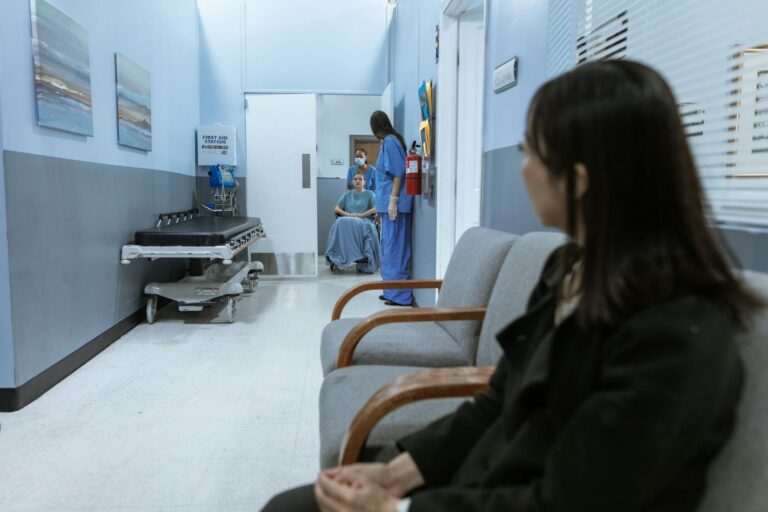
Save your insurer’s emergency-assistance number and ask how it handles hospital payment in Japan. Insurance cover, direct billing and hospital acceptance are separate questions. A guarantee of payment (GOP) can help arrange billing; it is not a guarantee of admission, treatment, or an approved claim.
If you need help in Japan
- For an ambulance or fire emergency, call 119. Seek urgent care first; do not delay an emergency to obtain an insurance approval.
- Contact the emergency-assistance service on your own policy as soon as possible. Give your location and the treating facility’s details. Ask staff or a companion to help if you cannot call.
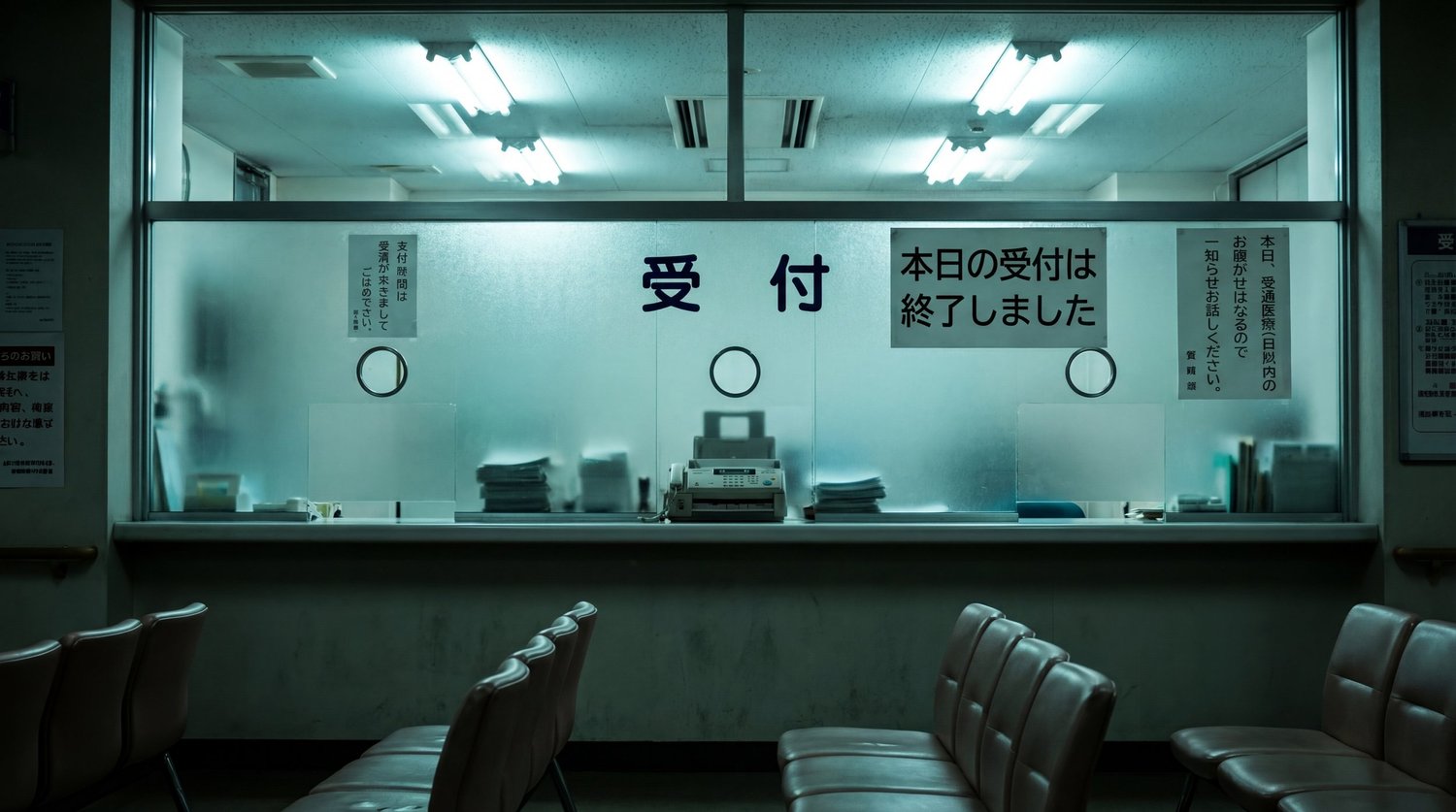
- Ask the hospital what payment/deposit arrangements it accepts and whether it can work with your assistance provider. Keep an alternative payment method available.
- Keep itemised invoices, proof of payment, prescriptions and medical/discharge reports. Ask your insurer which originals, translations and claim forms it needs.
JNTO’s visitor-health guide explains that cashless arrangements depend on the insurance and medical institution, and that card acceptance is limited. Do not assume every hospital takes cards, that every facility requires cash, or that your insurer can always settle directly.
Ask these questions before buying or travelling
- What is the 24-hour overseas assistance contact, and how do I call from a data-only phone?
- Can you arrange direct payment or a GOP at my destination? What happens if the hospital declines it or arrangements take time?
- When must I call, and what approval is required for non-emergency care, hospitalisation, tests or transfers?
- What deductible, benefit limit, exclusions and pre-existing-condition stability rules apply to me?
- Does my age, trip length, destination, activity or credit-card payment method affect eligibility?
- What evacuation/repatriation arrangements are covered, and who must authorise them?
For example, TuGo’s claims FAQ describes both direct billing and reimbursement of outstanding expenses, and asks travellers who expect admission to contact medical assistance immediately. That example does not establish the terms of your policy or promise the same arrangement at every Japanese hospital.
Provincial health is not a complete travel plan
Rules differ by province and eligibility. Ontario’s current OHIP page describes limited eligible out-of-country emergency benefits and recommends private health insurance for uninsured costs. It also says hospital transfer back to Ontario is not covered. Check your own provincial program and the actual private policy; an OHIP card is not a promise that a Japanese hospital will bill Ontario.
Heat and preparation
Plan rest, shade and hydration for hot days, and carry your medication list, allergies, policy number, passport details and emergency contacts. If someone becomes seriously ill, get medical help. A generic yen estimate cannot predict their bill or care needs.
Before choosing insurance, request the current Canadian policy wording and written answers to your questions. There is no universal 14-day purchase rule that creates pre-existing-condition waivers or cancel-for-any-reason coverage.