Japan Cash vs Card — How Much Yen to Bring in 2026
How much yen do you actually need in Japan in 2026? A field-tested breakdown of where cards work, where cash is king, ATM tips, IC cards, and daily budget tiers.
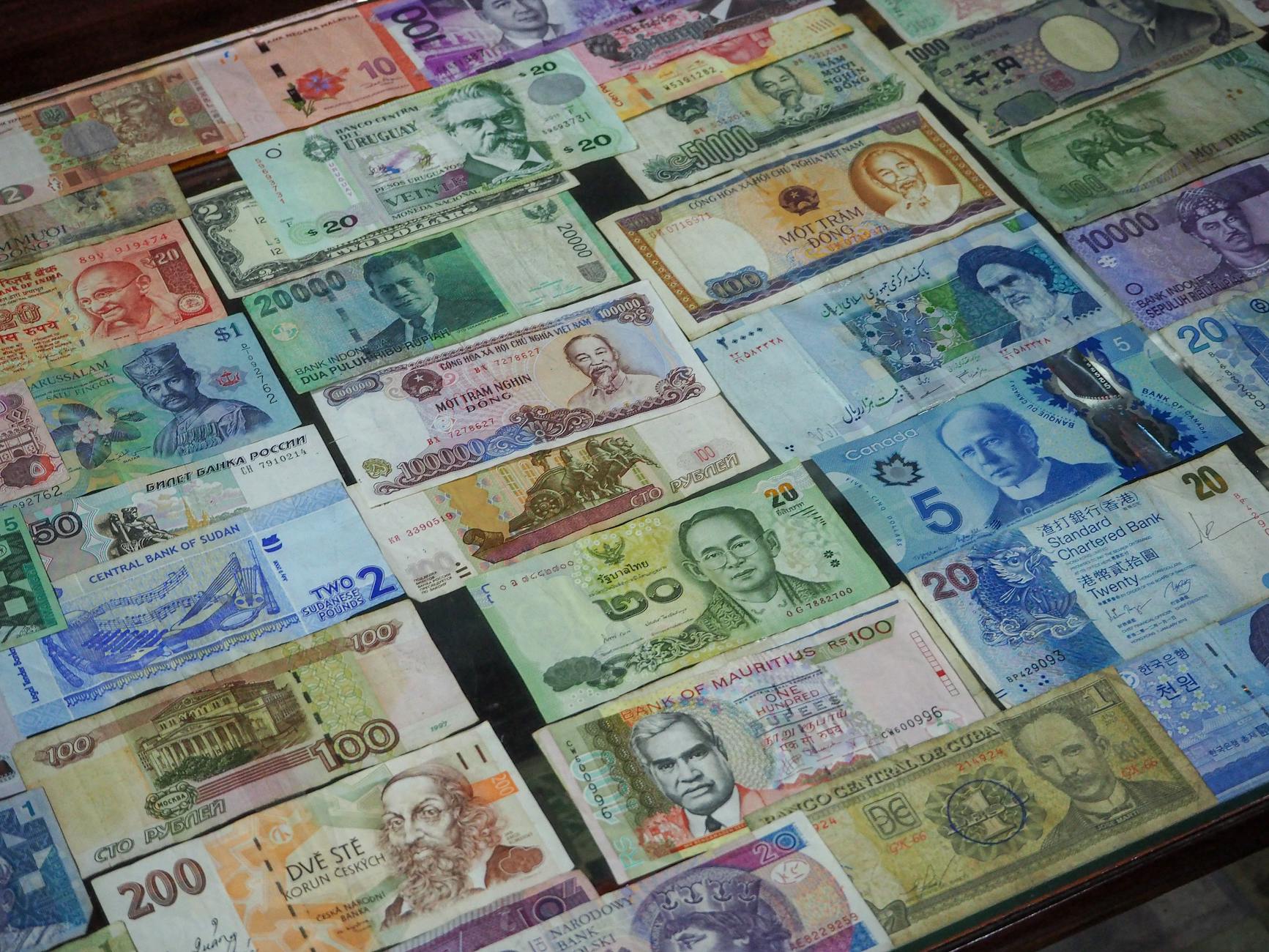
Short answer: Japan has made real progress with card acceptance since 2020, but cash is still essential. Bring at least 10,000–30,000 yen in cash for your first day, then top up at 7-Eleven ATMs as needed. You will hit cash-only situations — guaranteed.
Why Japan Is Still Cash-Heavy in 2026
Every year someone writes “Japan is finally cashless!” and every year travelers get stuck at a ramen counter with nothing but a Visa card and a nervous smile.
Japan’s cashless payment ratio hit roughly 42% in 2025. That’s up from 39.3% in 2023. But more than half of all transactions still involve physical cash. The government is pushing adoption, but Japan’s economy runs on small businesses — the family-run izakaya, the shrine selling omamori, the onsen that hasn’t changed since 1987.
I’ve been to Japan four times in the past five years. Every single trip I’ve ended up standing somewhere with no card reader in sight, digging through my wallet. The most memorable: a cash-only soba counter in a Kyoto side street, eight seats, no menu on the wall, the owner staring at me while I fumbled with 500-yen coins. That moment cured me of ever traveling Japan without backup cash again.
Where Cards Work
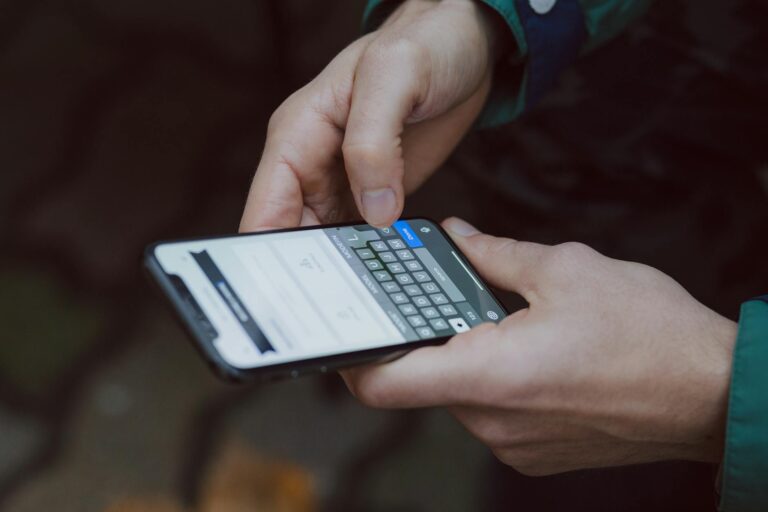
Cards have genuinely improved. I’ve never had a problem tapping at any major chain — Uniqlo, Don Quijote, Starbucks, convenience stores, fast food. Tokyo Station’s underground mall takes everything. Visa contactless works at virtually every hotel front desk. Most mid-range and above restaurants in central Tokyo, Osaka, and Kyoto have terminals now.
Specifically, you’re fine with a card at:
- Convenience stores — 7-Eleven, FamilyMart, Lawson all accept Visa, Mastercard, and contactless. This matters because konbini are everywhere and you’ll use them constantly. See my Japan convenience store guide for how to actually use them.
- Major train stations — JR ticket offices, Shinkansen reservation machines, station retail shops.
- Chain restaurants — Yoshinoya, Sukiya, McDonald’s, Starbucks, most ramen chains in tourist areas.
- Department stores and malls — Any large retail in Tokyo, Osaka, Kyoto. Isetan, Takashimaya, PARCO, Loft — all fine.
- Hotels — Mid-range and up, universally.
- Tourist attractions — TeamLab, Skytree, USJ, most ticketed landmarks.
- Tax-free shopping — Department stores and electronics retailers (Yodobashi, BIC Camera) process tax refunds on the spot. I have a full breakdown in my Japan tax-free shopping guide.
The issue isn’t where cards work in the abstract. It’s the places you actually want to go that often don’t.
Where Cards Don’t Work
This is the list that matters. These aren’t edge cases — they’re central to the Japan experience:
- Shrines and temples — Admission, omamori, goshuin stamps — almost always cash only. Kinkaku-ji in Kyoto: cash at the gate. Meiji Jingu in Tokyo: cash for the forest path offerings. Fushimi Inari: cash for the wooden ema plaques. Budget 500–1,500 yen (~$4.50–$14 CAD, as of early 2026) per visit for these.
- Cash-only ramen and izakayas — Shinjuku’s Omoide Yokocho (“Memory Lane”) is almost entirely cash. Same for Dotonbori’s back alleys in Osaka. The 6-seat yakitori counters, the ramen shops with a vending machine ticket system — these are some of the best meals you’ll have in Japan, and they don’t take Visa.
- Traditional ryokans — Especially family-run properties outside major cities. Many still prefer or require cash settlement at checkout.
- Street food and markets — Tsukiji Outer Market, Nishiki Market in Kyoto, festival stalls. Individual vendors: cash only.
- Rural areas and smaller towns — Once you leave the Tokyo-Osaka-Kyoto corridor, the cashless infrastructure thins fast. Hakone mountain roads, Nikko, small Tohoku towns — bring cash, full stop.
- Local buses — In smaller cities and rural areas, buses are exact-change or IC card. No card terminals on the bus.
- Coin lockers at smaller stations — Major terminals (Tokyo, Shinjuku, Osaka, Kyoto) take IC cards. Smaller regional stations still run on coins.
- Parking meters — Rural mountain roads and smaller cities: coins only.
- Vending machines — The majority still require coins or IC cards. Not Visa.
The best dining guide to Japan I can give you is this: budget cash for everywhere that matters most. My Japan dining guide breaks down what to expect at different price points — and which types of places will embarrass you without cash in your pocket.
IC Cards: The Bridge
Your IC card handles the middle ground between cash and credit — and it’s the single most useful payment tool you’ll carry in Japan. Tap it on trains, buses, vending machines, and most convenience stores. It works where credit cards don’t (local buses, vending machines, coin lockers) and it’s faster than cash at the register.
I have a full breakdown in my Japan IC card guide — Suica vs. Pasmo vs. ICOCA, tourist card options, mobile setup. The short version: set up Mobile Suica in Apple Wallet before you leave home. Load 3,000–5,000 yen (~$27–$45 CAD) on it and use it for everything the other payment methods can’t reach. Reload at any convenience store or train station charge machine.
Suica and Pasmo are interoperable nationwide. What you load onto your IC card is separate from your cash — so your daily cash budget and your IC card balance serve different purposes. Keep them both topped up.
How Much Yen to Bring
These are daily cash budgets — not your total spending. Cards handle hotels and pre-booked attractions. This is what you need in your wallet for the day:
Budget Traveler
5,000–8,000 yen/day (~$45–$70 CAD). Covers temple entries, local transport, street food, and a sit-down lunch at a casual restaurant.
Mid-Range Traveler
10,000–15,000 yen/day (~$90–$135 CAD, as of early 2026). Sit-down meals at local spots, shrine visits, markets, occasional splurge on a nice dinner.
Comfort Traveler
15,000–25,000 yen/day (~$135–$225 CAD). Ryokan meals, nicer dining, premium experiences, shopping with cash-only artisans.
My rule: Bring 20% more than you think you need for day one. For a 10-day mid-range trip, keep ~30,000 yen (~$273 CAD) on hand at all times and top up at 7-Eleven ATMs twice a week rather than carrying the full amount from Canada.
For a full breakdown of what Japan actually costs by category, read my Japan trip cost breakdown for Canadians.
Best Ways to Get Yen
7-Eleven ATMs (Best Option)
Seven Bank ATMs accept Visa, Mastercard, Cirrus, and Plus. Available 24/7, English interface throughout, up to 100,000 yen per transaction. They’re inside 7-Eleven stores, which are literally everywhere. I withdrew cash at the 7-Eleven two blocks from my Shinjuku hotel at midnight on a Tuesday — no issue, no queue.
If your card gets rejected at a Seven Bank ATM — and it happens — I have a full troubleshooting guide at 7-Eleven ATM Japan: what to do if your card doesn’t work. Short answer: try Japan Post next.
Japan Post ATMs
Found in post offices in every town — even small ones. International cards accepted, English menus. The catch is hours: most close by 9 PM and aren’t open on Sundays in smaller branches. Use these as your backup when 7-Eleven isn’t nearby.
Avoid Airport Exchange Counters
Narita and Haneda exchange counters have poor rates. The markup over mid-market is typically 4–6%. Use the 7-Eleven ATMs inside the terminals instead — they’re past arrivals, before you leave the building.
Before You Land
Two things to sort before you board: notify your bank about Japan withdrawals (some Canadian banks flag large international ATM transactions as fraud), and get your eSIM installed. I use Airalo — install it at home, activate it the moment you land, and you have data to navigate to the ATM and check your bank balance in real time. My Japan eSIM guide has the full setup for Canadians.
Frequently Asked Questions
Can I survive with only a credit card?
In central Tokyo, maybe for a day or two — if you stay in chain restaurants, skip temples, and don’t wander off the main streets. The moment you go looking for the best food in the city — the yakitori alley, the standing soba counter, the conveyor belt spot the hotel staff recommended — you need cash. Beyond major cities, it’s not a question of inconvenience, it’s a question of whether you’ll be able to eat and get home. Always carry cash.
Should I exchange currency before flying?
No. Canadian rates for JPY are significantly worse than what you’ll get from a Japanese ATM. The spread at a Canadian bank or airport kiosk can be 5–8% above mid-market. Bring a small amount — 5,000–10,000 yen max — as emergency cash for the taxi or transit from the airport, then use 7-Eleven ATMs for everything else. Don’t walk into a currency exchange at Narita unless you have no other option.
Do Japanese ATMs charge fees?
Seven Bank charges 110–220 yen per withdrawal depending on the time of day (higher on evenings and weekends). Your Canadian bank will likely add a foreign transaction fee on top — typically 2.5–3%. Budget ~300–500 yen total per withdrawal in fees. For a 10-day trip where you withdraw three times, that’s maybe 1,500 yen (~$14 CAD) in fees total. Worth it compared to any other option.
Are IC cards worth it for a short trip?
Yes, even for 4 days. Digital Suica in Apple Wallet saves you from buying individual train tickets, works at convenience stores, and lets you tap through gates without breaking stride. The setup takes five minutes at home. Read the full IC card guide before you go — the mobile setup in particular is worth doing before you board the plane.
What if I run out of cash in a rural area?
Japan Post. Post offices exist in almost every municipality in Japan — even tiny mountain towns have one. The ATMs accept international cards and have English menus. If you can find a post office, you can get cash. Second option: any 7-Eleven, which are also spread further into rural Japan than most people expect. Keep a screenshot of your bank’s international ATM support number in your phone just in case.
Is tipping expected?
No. Never. It can cause genuine confusion or embarrassment for the staff. The price on the menu is what you pay — nothing more. This applies at restaurants, taxis, ryokans, and anywhere else. Japan’s service culture assumes a fair wage is built into the price. Leave the tip culture at the Canadian border.
Before You Go — Action Checklist
- Notify your bank before you fly. Call or set up international withdrawals in your banking app. Canadian banks flag large ATM transactions in Japan as fraud if they’re not expecting it — getting your card blocked in Osaka is not a fun afternoon.
- Set up Mobile Suica in Apple Wallet or Google Wallet before you leave home. Fund it with 3,000–5,000 yen (~$27–$45 CAD) via your credit card. This handles all transit and most daily small purchases from the moment you land. Full setup in my IC card guide.
- Get your eSIM sorted before boarding. Airalo is what I use — install at home, activate on landing. See the Japan eSIM guide for Canadian-specific setup.
- Bring 20,000–30,000 yen (~$182–$273 CAD) for Day 1. Don’t rely on finding an ATM immediately after landing. Have enough to cover the airport transit, your first night’s incidentals, and any cash-only situation on arrival day.
- Use 7-Eleven ATMs for top-ups. Withdraw in 20,000–30,000 yen chunks rather than small amounts — you pay a flat fee per transaction, so fewer withdrawals means fewer fees. If your card is rejected, see my 7-Eleven ATM troubleshooting guide.
- Pre-book paid attractions in CAD. TeamLab, popular tours, Shinkansen seats — book through Rakuten Experiences before you leave and pay in Canadian dollars. Removes that cash from your daily budget entirely.
- Know your tax-free threshold. If you’re spending big at electronics or clothing stores, foreign visitors get a tax refund at point of sale. Details in my tax-free shopping guide — it can reduce your spend by up to 10%.
- Get travel insurance before you fly. Sacraw’s Canada-Japan plans are solid, well-priced for Canadians, and cover medical evacuation. Sort this before you think about anything else on this list. Full comparison in my Canada-Japan travel insurance guide.
- If you’re doing multi-city travel, calculate whether a JR Pass makes sense for your route before buying. Your IC card handles local transit; the JR Pass handles Shinkansen and inter-city JR lines. Running the numbers takes 10 minutes and can save you several hundred CAD.