Trip Cancellation: The $8,000 Non-Refundable Flight You Cannot Take
Credit card cancellation covers only 12 approved reasons. An emergency outside that list means full price to fly home. Here is the policy that closes the gap.
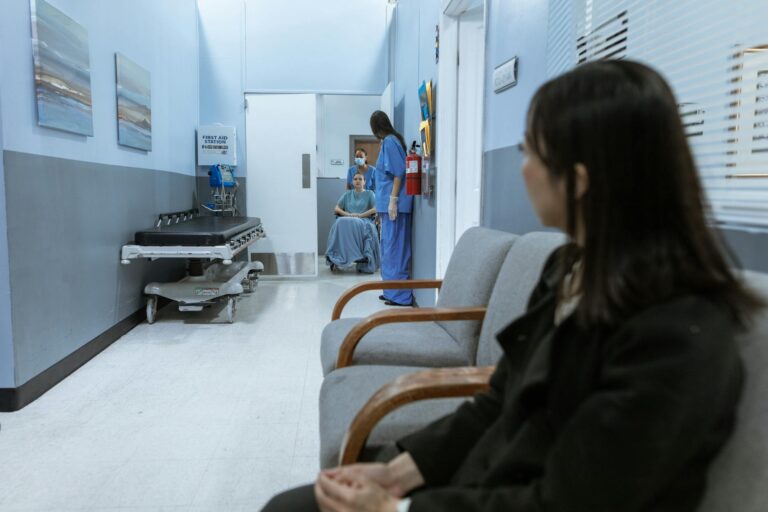
The bags are packed. The drone batteries are charged. Your toddler is ready for their first trip to Japan. Then, forty-eight hours before takeoff, a family emergency or a sudden illness hits. You cannot fly.
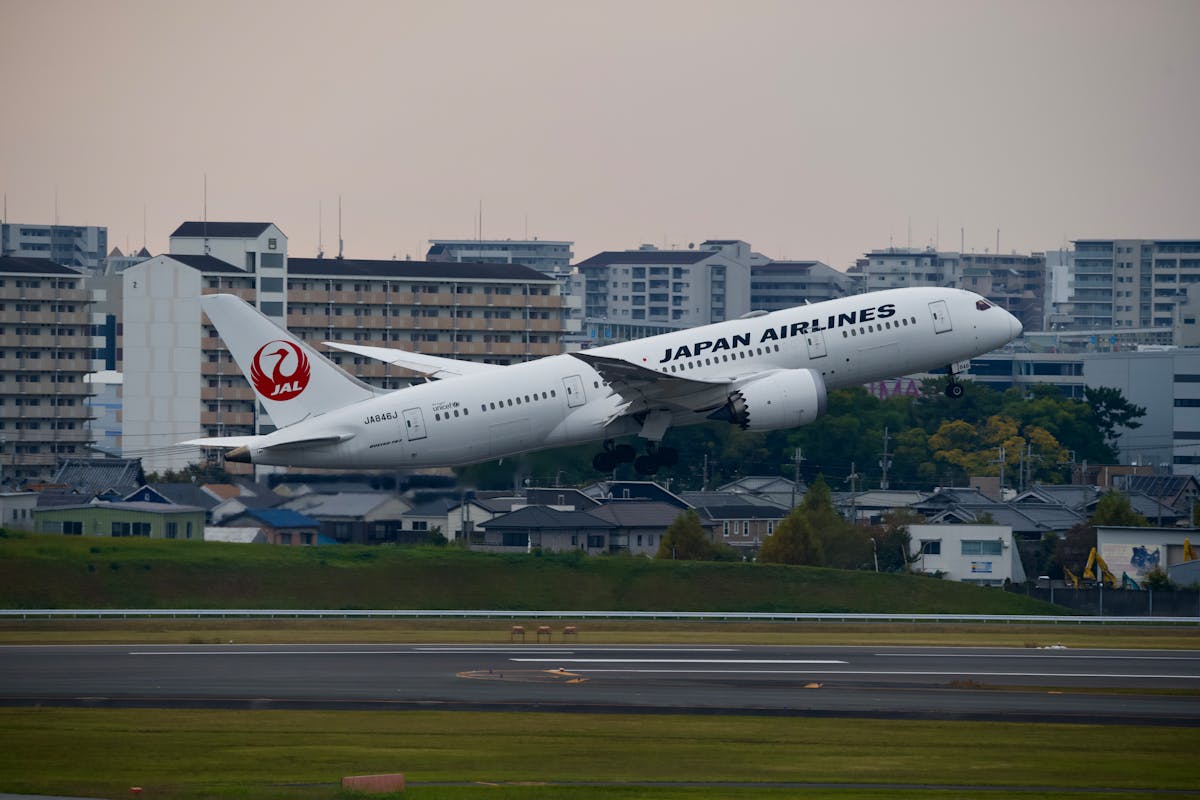
You look at your $8,000 Air Canada Business Class receipt and the non-refundable deposit for that luxury Ryokan in Hakone. You think, My credit card covers trip cancellation. For more on this, see our ryokan inventory secret. For more on this, see our no-show penalty.
Then you read the fine print.
The Logistical Truth: The Limited Reason Trap
Standard credit card cancellation coverage is extremely narrow. It typically covers a defined list of reasons – death in the immediate family, a medical emergency or illness serious enough to prevent travel (a physician’s note, not necessarily hospitalization), severe weather, jury duty, or quarantine.
If you just have a Work Conflict, or a Change of Mind, or if your specific type of emergency is not on their list of 12 approved reasons, you are out of pocket for the entire $8,000.
The Forensic Reality of Japanese Bookings:
- The 100% Penalty: Unlike North American hotels, many high-end Ryokans enforce a 100% cancellation penalty if you cancel within 7-14 days of arrival. They do not do store credit.
- The Secondary Payer Delay: Even if your card covers you, it is often Secondary. They will force you to fight with the airline and the hotel for a refund for months before they pay out a single cent of the difference.
What Japanese Cancellation Policies Actually Look Like
Most Western travelers underestimate how rigid Japanese accommodation cancellations are. The standard penalties, governed loosely by the Ministry of Land, Infrastructure, Transport and Tourism’s Standard Terms for Accommodation Contracts, are tiered as follows:
- 20+ days before arrival: 0% penalty (usually)
- 7–19 days before arrival: 20–30% penalty
- 3–6 days before arrival: 30–50% penalty
- 2 days before arrival: 50% penalty
- Day before arrival: 80–100% penalty
- Same day or no-show: 100% penalty
Premium ryokan — the kind charging ¥50,000–¥80,000 per person per night including kaiseki dinner — often enforce the 100% penalty window starting as early as 14 days out. These properties secure fresh seasonal ingredients for each guest. A late cancellation is not an inconvenience — it is a financial loss they charge accordingly. For more on this, see our Golden Week pricing.
A four-night stay at a mid-tier Hakone ryokan at ¥30,000 per person per night for two people is ¥240,000 — approximately $1,600 USD. Cancel two days out, and that is $1,600 you will never see again unless your insurance policy specifically covers it. Standard credit card cancellation coverage typically caps at $1,500–$2,500 CAD total — not enough to cover a ryokan stay plus Business Class seats. A standalone policy – like the one Sacraw Financial brokers, administered by TuGo – covers the full non-refundable value, including accommodation booked through international channels.
The Real Gap in Credit Card Coverage
Premium cards like the TD First Class Visa Infinite or the Amex Cobalt advertise trip cancellation coverage. The coverage limit sounds adequate until you price an actual Japan trip. Standard credit card policies typically cap cancellation coverage at $1,500–$2,500 CAD per person. A Japan Business Class ticket alone can exceed $6,000 CAD. The math does not work.
Beyond the cap, the approved reasons list is where most claims die. Standard covered reasons typically include: death of the insured or an immediate family member, hospitalization, unexpected serious illness with physician certification, and natural disasters rendering the destination uninhabitable.
Conspicuously absent from most standard policies: job loss (unless involuntary and documented), mental health crises, a positive COVID test with no hospitalization, a family emergency that does not involve death or hospitalization, or a travel advisory issued after booking. If your reason is not on the list, the claim is denied regardless of how legitimate your situation is.
Cancel For Any Reason: What It Actually Costs and Requires
CFAR — Cancel For Any Reason — is the only coverage that eliminates the approved-reason problem. It is not cheap, and it comes with strict timing requirements, but for high-value Japan trips it is worth understanding precisely.
What CFAR covers
A CFAR upgrade reimburses 50–75% of non-refundable trip costs for any cancellation, regardless of reason, as long as you cancel at least 48 hours before departure. You changed your mind. You got a new job. Your relationship ended. None of that needs documentation — the policy pays.
The purchase window problem
CFAR must be purchased within 10–21 days of your first trip payment, depending on the provider. Buy your Ryokan deposit in January, book the flight in February, and forget to add CFAR until March — you have likely missed the window. The clock starts at the first payment, not the last.
What CFAR costs in 2026
A comprehensive trip cancellation policy with CFAR for a $8,000 Japan trip costs approximately $350–$600 USD — roughly 4–8% of total trip cost. Compared to losing the full non-refundable amount on a forced cancellation, it is not an expensive option.
For Canadian travelers, the policy Sacraw Financial brokers – administered by TuGo – includes a CFAR upgrade option, but you must add it within 5 days of your first trip deposit and cancel at least 5 days before departure. That purchase clock is not forgiving — if you are reading this after booking your flights, check the date on your confirmation email and act accordingly.
The Cinematic Reality: The Empty Suitcase
There is a unique heartbreak in unpacking a suitcase you never got to open in Tokyo. The drone shots remain unfilmed. The sushi remains uneaten. But the real sting is seeing the Non-Refundable status on your booking apps. You did not just lose a trip; you lost the capital you worked all year to save.
Forensic Action Plan
- The Non-Refundable Audit: Add up every deposit you have paid for your Japan trip. Does it exceed your credit card limit of $1,500? (It almost always does).
- Check the Reasons List: Read your policy Approved Reasons for Cancellation. If your toddler’s mild fever or a work blowout is not on there, you are not covered.
- Time the CFAR purchase: If you want CFAR, buy it within 14 days of your first trip deposit. Do not wait until the full itinerary is confirmed.
- Secure CFAR: If you want total peace of mind, get a policy that covers Any Reason.
🏥 MEDICAL ACCESS TOOLKIT
Resources
Travel insurance through Sacraw — Sacraw Financial brokers trip cancellation coverage that protects non-refundable bookings when the unexpected hits.