Japan’s Earthquakes, Typhoons, and Volcanoes: What Travelers Actually Need to Know
Japan has earthquakes, typhoons, and active volcanoes. Here is what the alert systems mean, what to prepare, and what to do when the ground actually moves.
Listen to this article
The Ground Moves. That Part Isn’t Optional.
I was standing in a 7-Eleven in Shinagawa the first time I felt a real earthquake in Japan. A proper Shindo 4 — the kind where the refrigerated shelf doors swing open in unison and every head in the store looks up at the ceiling for exactly two seconds before going back to their onigiri. Nobody ran. Nobody screamed. The cashier didn’t even pause her transaction.
That moment crystallized something I’d been circling for years: Japan is simultaneously one of the safest countries on Earth and one of the most geologically violent. Those two facts don’t contradict each other — they explain each other. The safety exists because the violence is constant. Every building code, every train algorithm, every emergency siren is a scar from something that already happened.
But here’s what most travel content won’t tell you: Japan’s disaster infrastructure was designed for Japanese residents who grew up doing earthquake drills since kindergarten. Not for a Canadian tourist who doesn’t read kanji, has never heard the J-Alert siren, and assumes their provincial health card works overseas.
The gap between Japan’s system and your ability to plug into it is where real danger lives. Japan averages over 1,500 earthquakes per year strong enough to feel. Typhoon season runs May through November. There are 111 active volcanoes. The question isn’t whether you’ll encounter a natural hazard. The question is whether you’ll know what to do when it happens.
The Shindo Scale: What the Numbers Actually Mean
Japan doesn’t use the Richter scale. It uses Shindo — which measures how hard the ground shakes where you’re standing, not total energy released at the epicenter. When your phone screams at you in Japanese, the J-Alert will reference Shindo. Knowing the difference between a Shindo 3 and a Shindo 5-upper could save your life.
| Level | What It Feels Like | What To Do |
|---|---|---|
| 0–2 | Slight swaying. Locals won’t look up. | Nothing. |
| 3–4 | Noticeable to strong. Objects may fall. | Drop, cover, hold. Away from windows. |
| 5-lower to 5-upper | Walking difficult. Walls may crack. | Take cover immediately. Expect aftershocks. |
| 6-lower to 7 | Standing impossible. Structural damage. | Survival mode. After shaking: check gas, open doors, follow J-Alert. |
The J-Alert system uses Cell Broadcast technology, pushing emergency notifications from local cell towers to every compatible device in range. This works with eSIMs — I’ve received J-Alerts on my Airalo Japan eSIM multiple times. But the alerts arrive in Japanese by default.
The Language Barrier Is Your Biggest Vulnerability
I’m being deliberately blunt: the language barrier is the single largest danger for foreign travelers during a Japanese natural disaster. The J-Alert system is extraordinary — satellite-linked, sub-second transmission, every mobile device in range. But the alerts arrive in Japanese. The municipal loudspeakers broadcast in Japanese. The evacuation shelter signage is in Japanese.
If you can’t read kanji, that aggressive siren followed by an incomprehensible block of text on your phone doesn’t inform you — it paralyzes you.
The Safety Tips app (Japan Tourism Agency) intercepts JMA data and translates earthquake, tsunami, volcanic, and weather warnings into 15 languages in near-real-time. It includes evacuation flowcharts and multilingual communication cards you can show to locals. Download it before you leave. Not at the airport. Before you leave.
Also install: NHK World-Japan for English-language crisis coverage, and bookmark the JMA’s Kikikuru service for real-time flood and landslide risk maps. But apps require data — and your phone is useless without a reliable connection. A local eSIM with data on Japanese cell towers is not a convenience. It’s emergency infrastructure. I’ve covered the full breakdown of eSIM options for Canadian travelers separately.
Earthquake Protocol: Stay Inside
Every instinct in your body will tell you to run outside. Ignore it. Modern Japanese buildings are engineered to an almost paranoid degree of seismic resilience — base isolation foundations, hydraulic dampening, steel-reinforced concrete designed to flex rather than fracture.
The building codes enforced after the 1995 Kobe earthquake and tightened after 2011 Tohoku mean any commercial building, hotel, or transit hub built or retrofitted in the last two decades is designed to absorb a Shindo 6+ without structural collapse.
The danger is what’s outside: shattered glass facades, dislodged commercial signage, toppling vending machines (Japan has over 5 million of them), and crumbling concrete from older structures.
The protocol:
- Drop. Cover your head. Get under sturdy furniture.
- Stay away from windows, shelving, and heavy fixtures.
- Do NOT leave the building during active shaking.
- After shaking stops: turn off the nearest gas valve. Open doors immediately — seismic stress warps frames.
- Then assess whether evacuation is necessary.
If you’re outdoors: move to open space. Parks, wide intersections. Away from building facades and concrete block walls.
Tsunami Protocol: When “Stay Inside” Reverses
Everything above reverses if you’re in a coastal area and feel a strong, sustained earthquake. One imperative: vertical evacuation, immediately. Do not wait for the official warning. Move to higher ground or a designated tsunami evacuation tower.
A tsunami wave just 50 centimeters high carries enough force to sweep an adult off their feet. These aren’t ocean swells — they’re displaced walls of water carrying debris, vehicles, and structural wreckage at speed. And the first wave is rarely the worst. Multiple secondary surges are common, often larger than the initial impact.
Stay in your elevated position until the JMA officially lifts all warnings — not when it looks calm, not when others start descending. When the official all-clear broadcasts.
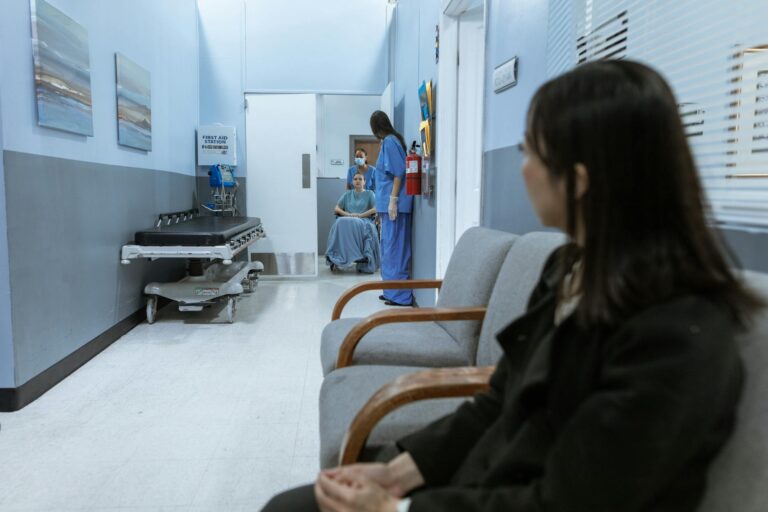
If you end up in an evacuation shelter, temper expectations. These are survival facilities — primarily public schools and community centers. Electricity, water, and gas may be compromised for days. Your job is to be respectful, stay quiet, follow communal rules, and not become an additional burden on a strained system.
Typhoon Season: The Disaster You Can See Coming
Earthquakes are sudden. Typhoons are forecast days in advance. This should make them easier to manage — but the scale of disruption a major typhoon inflicts on travel infrastructure is something most visitors dramatically underestimate. Japan averages 25 typhoons per year. About three make direct landfall with winds exceeding 150 km/h.
Peak months: August and September, though the season runs May through November. Okinawa, Kyushu, and Shikoku take the worst direct hits. Honshu gets the secondary effects: torrential rain, urban flooding, and total transit paralysis.
When a major system approaches, ANA and JAL preemptively ground 50–70% of their fleets. Hotels near airports sell out in hours. The Shinkansen enters planned suspension — and doesn’t resume when the storm passes. Services stay down until engineering teams physically inspect the tracks, sometimes into the next afternoon.
Your airport-to-city transit plan should always have a weather contingency.
Volcanic Risk: Hazards Inside Tourist Attractions
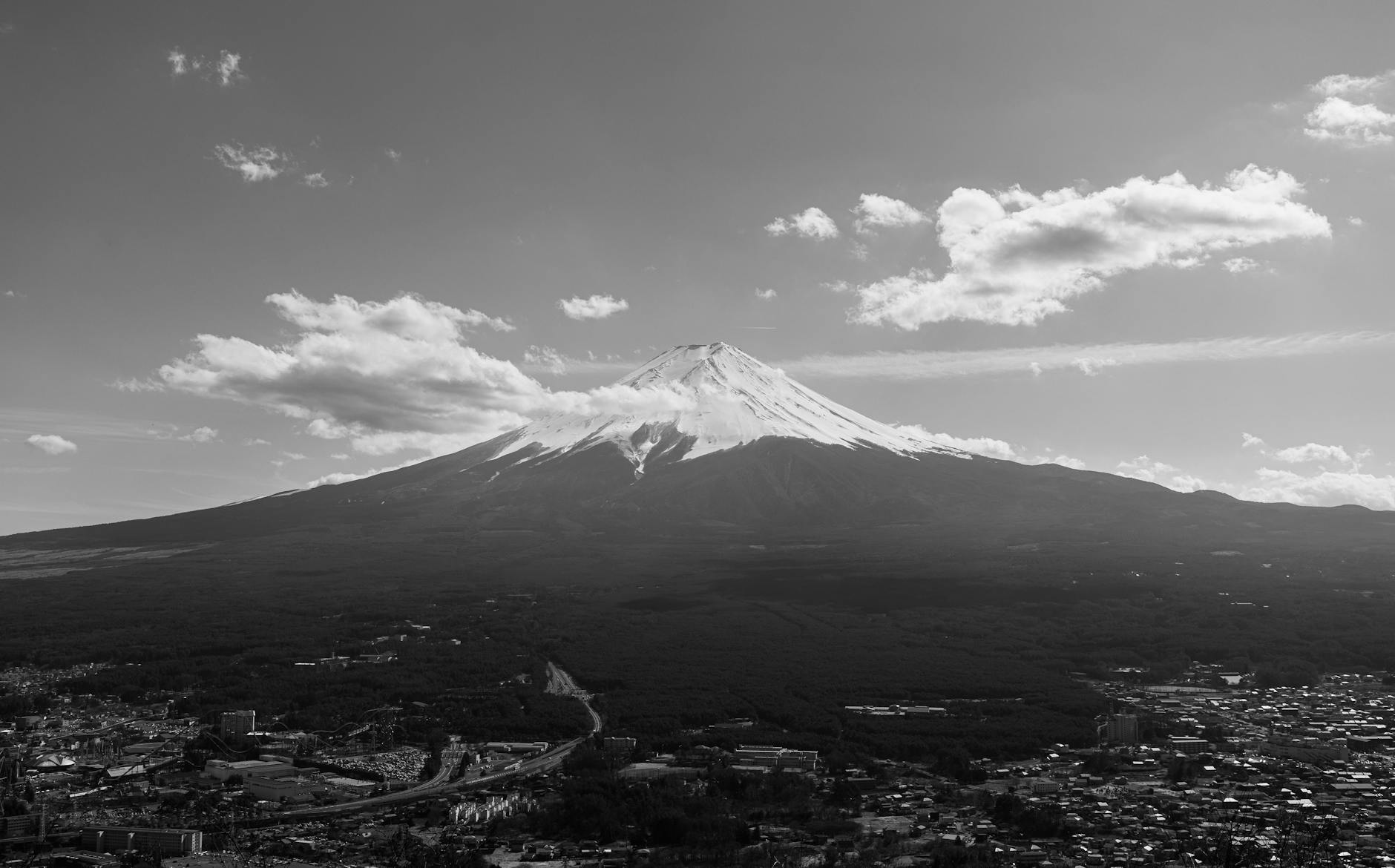
Japan has 111 active volcanoes. Several are major tourist destinations. The JMA operates a 5-level Volcanic Alert System that directly determines whether the thing you booked tickets for is accessible.
| Level | Keyword | Impact on Tourists |
|---|---|---|
| 1 | Potential activity | Normal operations. Stay aware. |
| 2 | No crater approach | Summit hikes banned. Ropeways may suspend. |
| 3–5 | Do not approach / Evacuate | All tourism prohibited in danger zone. |
The volcanoes that affect mainstream itineraries: Hakone–Owakudani shuts down its ropeway at Level 2 more often than guides acknowledge. Mount Aso closes its crater based on daily gas readings even at Level 1. Sakurajima operates at a permanent Level 3 with regular ashfall disrupting Kagoshima flights.
If your itinerary depends on volcanic access, check JMA alert levels the week before departure.
Your Provincial Health Card Covers Nothing in Japan
I encounter this misconception constantly: your OHIP, MSP, AHCIP, or any other provincial health card provides zero coverage outside Canada. Ontario eliminated OHIP out-of-country coverage in 2020. Other provinces offer token reimbursement that wouldn’t cover a single night in a Japanese hospital.
A hospital stay following earthquake injuries, surgery, and a medically escorted repatriation flight can exceed $40,000–$70,000 USD (roughly 7.5–10 million yen). And Japan tracks unpaid medical debts — foreign nationals with outstanding bills may be denied future entry.
The other trap: travel insurance protects against unforeseen events. The moment a typhoon is officially named or an earthquake triggers global media coverage, that event becomes “known.” Any policy purchased after won’t cover claims related to that specific event. The insurance has to be active before the threat exists.
| Coverage | What It Does | Watch Out For |
|---|---|---|
| Trip Cancellation | Reimburses flights, hotels, rail passes | Must buy before event is “known” |
| Emergency Medical | Hospital, surgery, ambulance, ICU | ¥10M minimum recommended for Japan |
| Medical Evacuation | Air ambulance to Canada | Most expensive component — verify it’s included |
| CFAR | Cancel for any reason (~75% back) | Must purchase within 14–21 days of booking |
For Canadian travelers, Sacraw is the product I’ve vetted for the Canada-Japan corridor.
The policies available through Sacraw include emergency medical evacuation and trip interruption that specifically address these scenarios: stranded at Narita during a typhoon, needing surgery when your provincial card is worthless, requiring repatriation when local hospitals are overwhelmed. I’ve written a full breakdown of the coverage you can get through Sacraw and a separate analysis for pre-existing conditions.
If you’re booking during typhoon season, get your policy active through Sacraw the same week you book flights. The known event rule is absolute.
Your Embassy Cannot Save You
The Canadian Embassy in Tokyo can replace your passport, provide lists of English-speaking doctors, contact your family, and issue emergency repatriation loans (up to $5,000 CAD — it’s a loan, not a grant). It cannot guarantee your safety, pay your hospital bills, override Japanese evacuation orders, or provide free accommodation. Government-assisted evacuation is an absolute last resort, goes to the nearest safe country (not home), and you reimburse the cost.
Register with Canada’s Registration of Canadians Abroad (ROCA) before you go. It takes five minutes and it’s how the embassy knows you exist during a sudden-onset disaster. For detailed coverage of emergency scenarios, see the air ambulance and medevac process and repatriation protocols.
Communication Blackouts: When Your Phone Goes Dead
During a major disaster, cellular networks face tower damage, power collapse, and congestion from millions of simultaneous requests. J-Alert bypasses this through Cell Broadcast, but your ability to call family, check flights, or reach your insurer depends on network capacity that may not exist.
- Carry a portable battery bank (10,000+ mAh minimum). Your phone is your lifeline.
- Have an eSIM with Japanese data active before landing. Canadian roaming plans route through international gateways that add latency when you need real-time alerts.
- Save your insurance provider’s emergency number offline in your contacts.
- Download offline maps of your itinerary area.
- Know the nearest 24-hour convenience store to every hotel. Konbini are emergency infrastructure — ATMs, food, water, charging points, and Wi-Fi when networks fail.
Full technical breakdown in the communication blackout guide.
Pre-Departure Disaster Preparedness Checklist
Every item below can be completed before you board. None cost significant money. All could matter.
Insurance & Financial
- Purchase comprehensive travel insurance before booking is final. Canadian travelers: Sacraw. Active the same week you book.
- Verify your policy includes emergency medical evacuation. Read our medevac breakdown.
- Typhoon season? Consider a CFAR upgrade within 14–21 days of booking.
- Skiing or mountaineering? Buy the sports/adventure rider explicitly.
- Carry cash (¥30,000–50,000 minimum). ATMs fail during outages.
Connectivity
- Activate a Japan eSIM before departure. Airalo’s Japan eSIM (or Sakura Mobile) connects to local towers and receives J-Alert. Full eSIM guide.
- Pack a 10,000+ mAh battery bank.
- Download offline maps. Configure emergency alert settings on your phone.
Apps & Info
- Safety Tips (Japan Tourism Agency) — multilingual disaster alerts.
- NHK World-Japan — English emergency coverage.
- JNTO communication cards — download and print.
Registration & Documents
- Register with ROCA at travel.gc.ca.
- Photograph passport, insurance policy, emergency contacts. Store in secure cloud.
- Write down (paper) your embassy’s address and number. Tokyo: +81 3-5412-6200.
Accommodation
- Prioritize modern construction (post-1981, ideally post-2000) during peak risk months.
- Check JMA volcanic alert levels for volcano-adjacent destinations.
Emergency Go-Bag (Carry-On)
- Passport and insurance documents
- Cash (yen, small bills)
- Portable battery bank + cable
- Prescription medications (one day’s supply)
- Small flashlight, compact rain jacket, snacks, water bottle
- Printed JNTO communication cards
Final Thought
Japan’s disaster infrastructure is extraordinary. The Shinkansen’s zero-fatality record is real. The J-Alert system’s sub-second satellite transmission is real. The building codes are real. But all of it was designed for people who read Japanese, carry national health insurance, and have been doing earthquake drills since age five. You are none of those things.
The ground will move. The typhoons will come. The question was never whether Japan is safe — it’s whether you’re prepared to be safe inside it.
Related Reading
- Canada-Japan Travel Insurance Guide — Full Sacraw Breakdown
- Japan eSIM Guide for Canadians
- Haneda vs Narita Airport Breakdown (2026)
- Japan Business Hotel Guide
- Pre-Existing Conditions and Japan Travel Insurance
- Medevac and Air Ambulance in Japan
- Hospital Guarantee of Payment (GoP)
- Communication Blackout Guide — Japan
Last updated: March 2026. Verify current JMA alert levels, airline policies, and insurance terms before travel.
Coverage terms and conditions subject to change—review policy wording before purchasing.