The 72-Hour Communication Blackout: Why Your Insurer Goes Dark
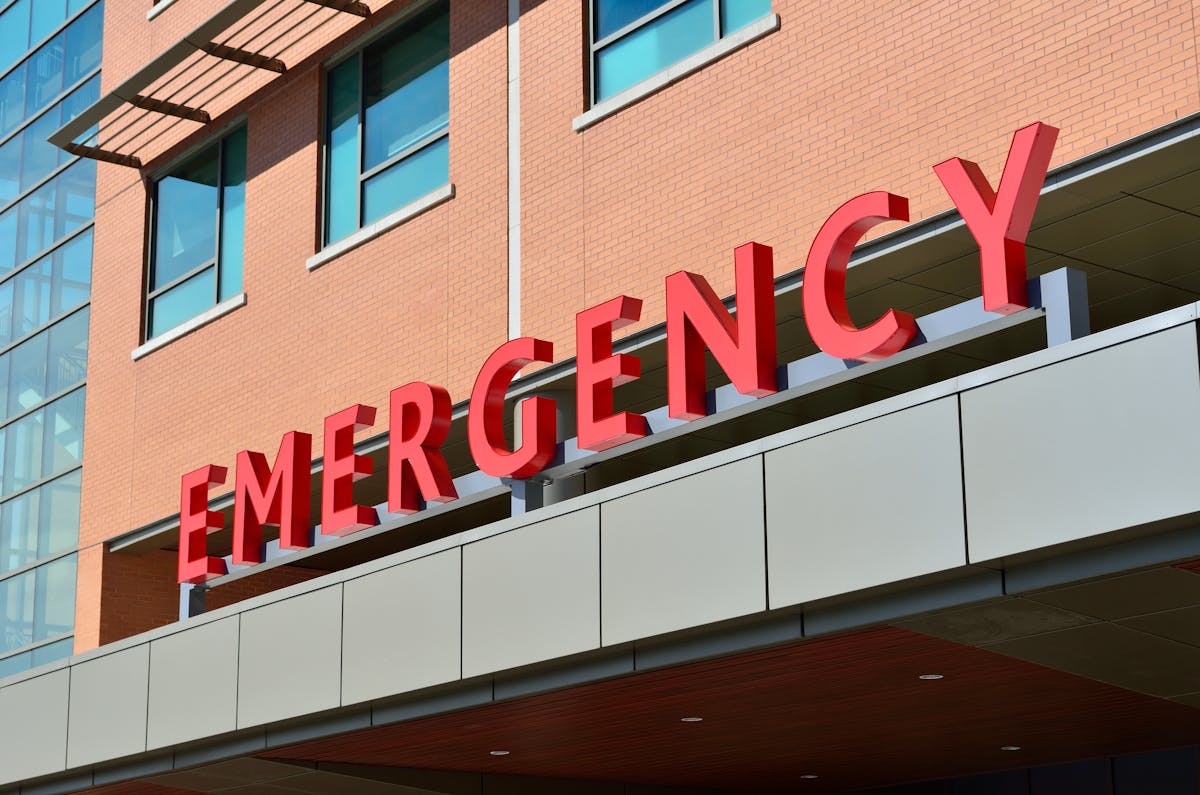
A Tokyo ER can demand ¥500,000 before treatment on a Friday night. Here is the coverage that keeps your insurer reachable and prevents a medical blackout.
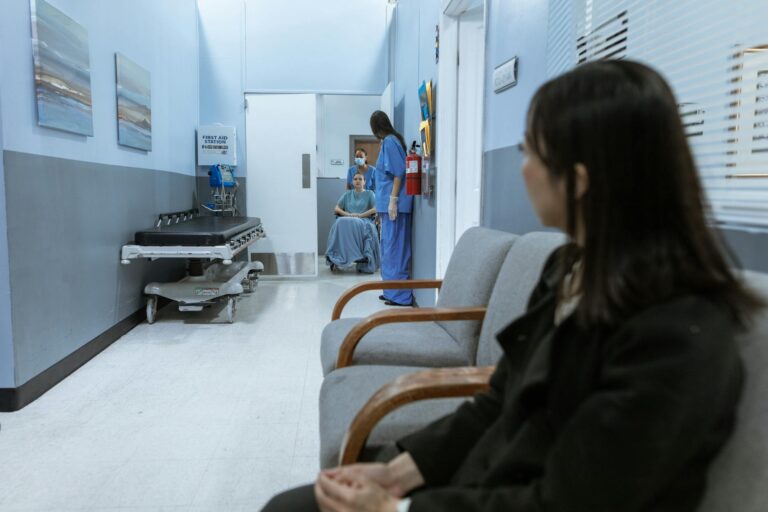
It is Friday night in Shibuya. Your partner has just been admitted to the ER with severe abdominal pain. You pull out your premium credit card, call the emergency number on the back, and get placed on a 45-minute hold.
When you finally get through, the person on the other end is a generalist agent in a call center. They give you a case number and tell you a claims adjuster will follow up in 24 to 72 business hours.
The hospital is asking for a 500,000 yen deposit now. Your insurer has just gone dark.
This is not a fringe scenario. It is the standard operating procedure for most credit card travel insurance products — and it is the difference between walking through the hospital door and standing outside it.
Claims vs. Assistance: The Gap That Costs You
There is a fundamental difference between a Claims Department and an Emergency Assistance Network. Most travelers do not know this distinction exists until they are in a crisis at 2 AM in a foreign country.
Most credit card insurance is passive. It is built to process receipts after the fact. It is not designed to navigate the immediate, high-pressure logistics of a foreign medical system. In Japan, where hospitals often refuse entry without a Guarantee of Payment faxed to the admission desk, a 72-hour delay is not an inconvenience — it is a crisis.
Why Credit Card Help Often Fails in Japan
- The Business Hours Trap: Many card adjusters only work 9 to 5 EST. That is exactly opposite to Japan’s peak hours. The person who can authorize a ¥500,000 payment is asleep in Toronto when you need them.
- No Direct Provider Network: Credit card insurers often do not have existing relationships with Japanese medical billing departments. They cannot fax a GOP because they do not have contracts with Japanese hospitals.
- The Authorization Gate: The agent you reach at 2 AM can open a file, but they typically do not have the authority to wire six figures to a hospital in Shinjuku. That requires a supervisor, then a review, then a 72-hour processing window.
If you are Canadian and traveling to Japan on a premium credit card, run this test before you depart: call the emergency number on your card and ask specifically whether they have a direct billing relationship with Japanese hospitals and whether a claims agent can authorize a Guarantee of Payment fax at 3 AM Eastern time. Most cannot answer yes to either question. Sacraw’s standalone policy operates through a dedicated Japan emergency assistance network that can fax a GOP within the hour — which is what gets you admitted without a ¥500,000 cash deposit.
The Shibuya Neon Blur
Outside the hospital, Shibuya is a kaleidoscope of neon and motion. Inside, the clock on the wall is the only thing that matters. Every minute your insurer stays silent is a minute you spend calculating whether your credit limit will hold the deposit.
Standalone travel insurance with a dedicated emergency assistance network works differently. When you call, they do not open a ticket. They call the hospital in Japanese. They fax the GOP. They negotiate your admission. You walk in without opening your wallet. The gap between what Canadian credit cards actually cover and what a real Japanese medical emergency costs is one of the most misunderstood traps in Japan travel planning.
That is the difference between insurance and assistance.
What To Do: The Coverage Audit
Before your next trip to Japan, spend five minutes on this audit. It costs nothing now. It could save you everything later. Understanding exactly what you must disclose when filing a travel insurance claim is equally important — a missed disclosure can void coverage even when you have a legitimate policy.
- The Back-of-Card Test: Call the number on your credit card today and count how long it takes to reach a human. Now imagine doing that with a ¥500,000 bill on the desk in front of you.
- Verify the Network: Does your insurer use a dedicated assistance firm — like Emergency Assistance Japan, International SOS, or Allianz — or an internal claims pool? Ask them directly. If they cannot name their Japan network, they do not have one.
- Check the Authorization Level: Can the agent you reach at 3 AM actually authorize a six-figure guarantee of payment? Or does it require escalation through layers that take 72 hours to complete?
- Standalone vs. Credit Card: In a medical crisis in Japan, you do not need an adjuster who processes receipts. You need a coordinator who speaks Japanese and has a fax machine. Standalone travel insurance policies are built for this. Credit cards are not.
Resources
Travel insurance through Sacraw — Standalone travel insurance with 24/7 emergency assistance and direct billing to Japanese hospitals; includes GOP faxing through local assistance networks