The Evacuation Invoice: Why $150,000 Air Ambulances Do Not Take Visa
A Tokyo-Toronto medevac starts at ¥187,500 USD and requires upfront payment. Here is what travel insurance actually covers and what still leaves you exposed.
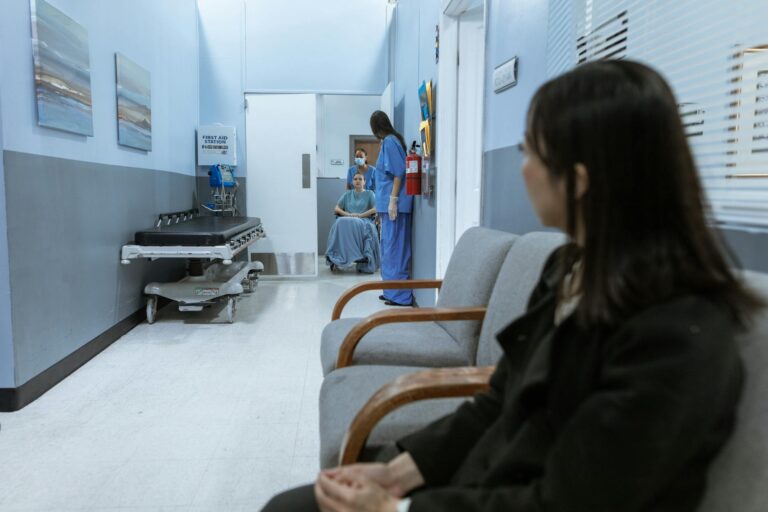
You are stable. The ICU team at St. Luke’s in Tokyo has done their job. You are ready to go home to Toronto, but you cannot sit in an economy seat for 13 hours. You need a stretcher, supplemental oxygen, and a flight nurse.
Then the logistics team hands you the quote for a private medevac: $187,500 USD.
You pull out your TD First Class Visa Infinite or your Amex Platinum. You have a high medical limit – up to $2 million on the TD card, up to $5 million on Amex Platinum – and premium travel insurance. You think you are covered.
You are not.
The $150,000 Hangar Wall
Here is the forensic reality of medical repatriation from Japan: air ambulance companies do not work on credit. Most travelers assume their premium card handles this — a detailed breakdown of what Canadian credit card travel insurance actually covers shows exactly where the medevac gap appears in the fine print.
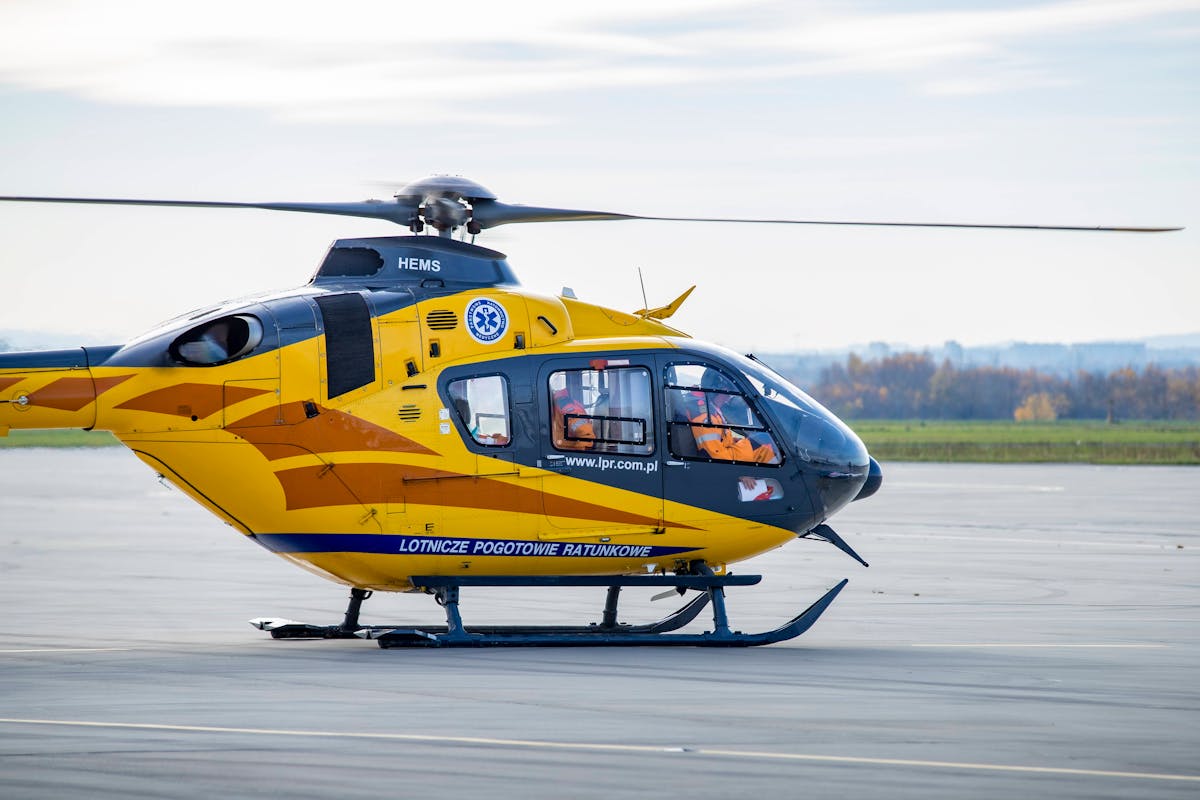
Unlike a hospital that might bill you later, a private medevac provider — the kind that operates the ICU-configured Global 5000 jets required to cross the Pacific — requires a wire transfer or a verified Guarantee of Payment before the pilots even reach the tarmac.
Why Your Credit Card Fails Here
- The Limit Gap: Most premium cards cap medical evacuation at a fraction of the actual cost of a trans-Pacific flight. Even a multi-million-dollar limit only helps if the insurer will pay the provider directly – a reimbursement-only card leaves you fronting the $187,500 yourself, and that is the real problem.
- The Reimbursement Trap: A lot of card insurance is reimbursement-based – it wants you to pay the $187,500 upfront, collect the receipts, and claim the money back later. Premium travel medical policies, by contrast, coordinate directly with the provider on large bills like an evacuation, so you are not fronting six figures from a hospital bed in Tokyo. From a hospital bed in Tokyo, that is not a realistic option.
- The Communication Blackout: At 3 AM in Tokyo — 1 PM in Toronto — try getting a credit card claims adjuster to authorize a six-figure wire transfer to a private jet hangar in Narita. It does not happen inside a timeframe that matters.
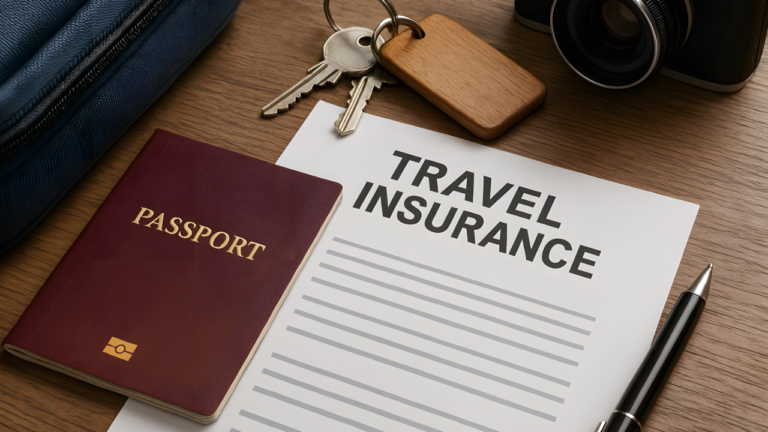
For Canadian travelers, the correct product for this scenario is a standalone travel insurance policy that pays the medevac provider directly — not a reimbursement claim processed six months later. Sacraw’s emergency evacuation coverage includes a high coverage limit, 24/7 emergency coordination, and direct payment to providers — the three requirements that make the difference between an evacuation that happens and one that stalls on a wire transfer authorization.
Midnight at Haneda
There is a specific kind of silence at Haneda’s private terminal at 2 AM. The runway lights are blurred by a fine Tokyo drizzle, and the only sound is the low whine of a Gulfstream G550’s auxiliary power unit.
In this moment, coverage is no longer an abstract phrase in a PDF. It is the physical presence of a flight nurse checking your vitals and a pilot waiting for a wire transfer confirmation. If that confirmation does not arrive, the engines stay cold. You stay in Tokyo. Your family stays in a hotel nearby, watching their savings evaporate.
The Stability Clause Stealth-Kill
Even if your credit card has a high limit, most travelers overlook the Stability Clause. If you have seen a doctor for even a minor blood pressure adjustment in the 90 days before your trip, your credit card insurer can — and will — deem you ineligible for coverage. The mechanics of how Japanese hospitals process Guarantees of Payment are worth understanding before you need them — because in a medevac scenario, that GOP is what gets you the bed you need before the aircraft is even ordered.
A forensic travel strategy requires an insurer that offers a Professional Stability Option. Standalone plans often have more forgiving windows or specific riders that ensure your repatriation flight is not grounded by a routine checkup from three months ago.
The Commercial Stretch Myth
“I will just buy extra seats on JAL,” you say.
To fly a stretcher on a commercial long-haul flight, you must typically purchase 6 to 9 seats at the current market rate. You also need a MEDIF (Medical Information Form) cleared by the airline’s own medical director. If the airline’s doctor does not approve your chart, you are not getting on that plane.
Without a professional insurance coordinator — like those provided by standalone policies — you are essentially trying to play travel agent, doctor, and CFO while lying in a hospital bed.
Without professional insurance coordination, arranging a medical return flight is a multi-day project that requires acting simultaneously as travel agent, patient advocate, and chief financial officer — from a hospital bed in Tokyo. Sacraw’s 24/7 emergency assistance line handles this coordination directly, including MEDIF form processing with the carrier’s medical director.
What To Do: The Medevac Audit
Before you board your flight to Japan, spend three minutes auditing your coverage. These are the questions that matter.
- The $150,000 Floor: Is your Emergency Air Transportation limit at least $150,000 USD? Anything less is a gamble across the Pacific.
- The Bed-to-Bed Promise: Does your policy cover the ground ambulance from the Japanese hospital to the aircraft, and the ground ambulance from the Canadian tarmac to your local hospital? Both legs must be included.
- The Escort Clause: Does the policy pay for a family member to fly back with you? An evacuation is traumatic enough without doing it alone because the coverage did not include an extra seat.
- Direct Payment vs. Reimbursement: The most critical question. Does your insurer pay the medevac provider directly, or do they require you to front the money? Only direct payment works in a real evacuation scenario. When you do file, knowing exactly what disclosure is required during a travel insurance claim prevents the retroactive denial that wipes out coverage you thought was in place.
Japan is an advanced, safe, and remarkably well-organized country. But its geography is unforgiving. You are 10,000 kilometers from home. The logistics of getting back in a crisis are not something you can figure out on the fly.
Preparation is the only cure for panic.
Resources
Travel insurance via Sacraw — Standalone travel insurance with high-limit emergency air evacuation coverage, direct payment to medevac providers, and 24/7 emergency coordination from Japan