Japan Trip Cost Breakdown 2026: The Real Numbers for Canadian Travelers
The weak yen is real but oversimplified. Here are the actual 2026 numbers for Canadians: accommodation, food, transport, and the new tourist taxes stacking up.
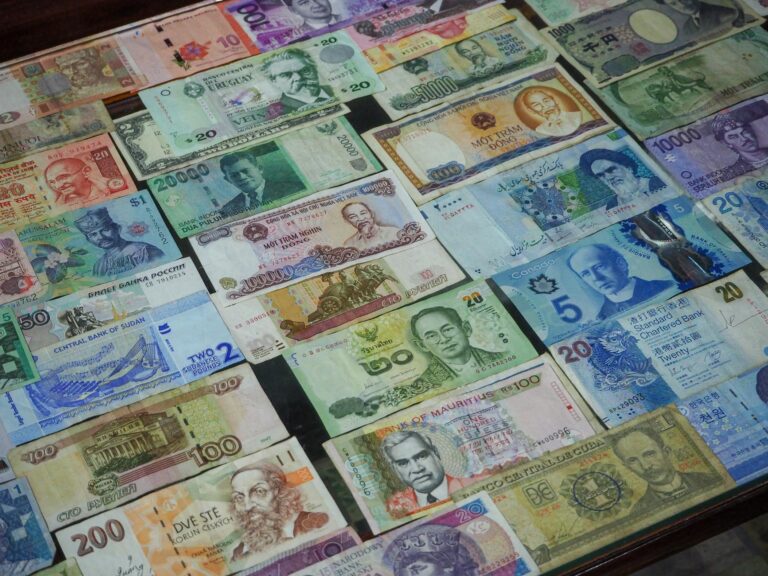
I need to say something that most Japan travel content refuses to acknowledge: the weak yen narrative has become dangerously oversimplified. Yes, the CAD-to-JPY rate still hovers around ¥111 to the dollar as of March 2026 — a structural discount of roughly 25-30% compared to pre-2020. Your konbini onigiri is still ¥160. Your standing soba is still ¥500. On the surface, the math looks generous.
But the Japanese government is no longer passively watching foreign purchasing power drain its cultural infrastructure.
A tripled departure tax, a five-tier accommodation tax in Kyoto, dual pricing at national museums, and a complete tax-free shopping overhaul — stacked together, these represent a deliberate fiscal recalibration targeting exactly the kind of traveler who reads articles like this one. Japan is still the greatest value proposition in developed-world travel for Canadians.
It just works differently than it did eighteen months ago.
What Does 14 Days in Japan Actually Cost a Canadian in 2026?
These frameworks account for all ground costs — accommodation, food, transport, activities, connectivity, insurance, and the new 2026 taxes. International airfare is excluded; economy class from Toronto or Vancouver to Tokyo typically ranges from $1,200 to $2,400 CAD depending on season.
| Expense Category (14-Day Trip) | Budget (CAD) | Mid-Range to Premium (CAD) |
|---|---|---|
| Accommodation | $350 – $700 | Mid: $1,100 – $2,300 / Premium: $4,500 – $10,000+ |
| Food & Dining | $250 – $450 | Mid: $600 – $1,200 / Premium: $2,500 – $6,000+ |
| Transportation (Intercity & Local) | $300 – $500 | Mid: $550 – $900 / Premium: $1,200 – $3,000+ |
| Activities & Attractions | $100 – $200 | Mid: $300 – $650 / Premium: $1,500 – $4,000+ |
| Connectivity (eSIM/Wi-Fi) | $30 – $45 | Mid: $40 – $70 / Premium: $70 – $150 |
| Travel Insurance | $50 – $80 | Mid: $80 – $160 / Premium: $160 – $350 |
| Miscellaneous (Taxes, Shopping) | $100 – $200 | Mid: $250 – $500 / Premium: $1,000 – $2,500+ |
| Total 14-Day Ground Cost | $1,180 – $2,175 | Mid: $2,920 – $5,780 / Premium: $10,930 – $26,000+ |
All prices reflect March 2026 exchange rates: ¥10,000 ≈ $90 CAD.
The budget traveler operates on ¥10,000–¥18,000 ($90–$160 CAD) per day — capsule hotels, konbini meals, highway buses. The mid-range traveler spends ¥25,000–¥40,000 ($225–$360 CAD) daily with private rooms, restaurant dining, and Shinkansen access. The premium traveler burns ¥60,000+ ($540+ CAD) per day on ryokan, omakase, and Green Car rail.
How Much Does Accommodation Cost in Japan in 2026?
Accommodation is where the 2026 policy changes hit hardest. Japanese hotels have broadly adopted algorithmic yield management, and dynamic pricing heavily penalizes peak-season travelers — particularly during sakura (late March–April) and autumn foliage (November), when Kyoto rates spike 100–200%. Friday and Saturday nights regularly inflate 30% over Tuesday baselines.
The Kyoto Tax Problem
Kyoto enacted Japan’s most aggressive municipal lodging tax on March 1, 2026 — a progressive five-tier structure calculated per person, per night:
| Kyoto Room Rate (Per Person/Night) | 2026 Tax (Per Person/Night) |
|---|---|
| Under ¥6,000 | ¥200 (~$1.80 CAD) |
| ¥6,000 – ¥19,999 | ¥400 (~$3.60 CAD) |
| ¥20,000 – ¥49,999 | ¥1,000 (~$9 CAD) |
| ¥50,000 – ¥99,999 | ¥4,000 (~$36 CAD) |
| ¥100,000 and above | ¥10,000 (~$90 CAD) |
For the budget traveler at a ¥4,000 capsule, the tax is negligible. But a premium traveler spending seven nights at a luxury ryokan absorbs an additional ¥70,000 (~$630 CAD) in municipal taxes alone. Other municipalities have followed: Hiroshima and Otaru levy ¥200 per night, Niseko uses a tiered rate from ¥100 to ¥2,000 per night depending on room price, and Okinawa has a flat 2% room tax.
What to Book at Each Tier
Capsule hotels and hostels run ¥2,000–¥6,000 ($18–$54 CAD) per night — engineered spaces with communal onsen, secure lockers, and lounges that often outclass mid-range Western hotels. I wrote a detailed breakdown of what to expect from capsule hotels in Japan. Business hotels at ¥8,000–¥15,000 ($72–$135 CAD) per night are the backbone of mid-range Japan travel.
Chains like Dormy Inn and APA Hotel offer compact private rooms with rooftop onsen and complimentary evening noodle service — I’ve mapped the full business hotel landscape. Ryokan at ¥30,000–¥100,000+ ($270–$900+ CAD) per person per night look steep until you account for bundled kaiseki dinner, elaborate breakfast, and private onsen — see my ryokan booking guide for cancellation traps and platform advice.
The Geographic Arbitrage That Actually Saves Money
The pricing gap between the Golden Route (Tokyo, Kyoto) and regional hubs is enormous, and 2026 taxes have widened it. The same business hotel that commands ¥15,000 in Tokyo runs ¥7,000–¥10,000 in Kanazawa or Takayama, with proportionally cheaper food thanks to proximity to agricultural and coastal supply chains — and no progressive tax tiers.
The Osaka play deserves special attention. Business hotel rates sit at ¥8,000–¥14,000, its culinary identity revolves around B-class gourmet under ¥1,000, and a 45-minute commuter rail ride gets you into Kyoto — experience the temples while sleeping outside Kyoto’s tax zone entirely. Shifting even three or four nights from Tokyo/Kyoto to regional cities yields 20–30% savings on accommodation alone.
For detailed timing around seasonal price spikes, see my guides for autumn foliage planning and Golden Week navigation.
Is the JR Pass Still Worth It for Canadians in 2026?
The JR Group implemented a 70% price hike across its national pass portfolio in October 2023, which narrowed the gap against individual tickets on shorter itineraries – so it is worth running your route before you buy. Current national JR Pass pricing:
| Duration | Ordinary | Green Car |
|---|---|---|
| 7 Days | ¥50,000 (~$450 CAD) | ¥70,000 (~$630 CAD) |
| 14 Days | ¥80,000 (~$720 CAD) | ¥110,000 (~$990 CAD) |
| 21 Days | ¥100,000 (~$900 CAD) | ¥140,000 (~$1,260 CAD) |
The break-even math against the standard Golden Route plus Hiroshima:
| Route (One-Way) | Individual Ticket |
|---|---|
| Tokyo → Kyoto | ¥13,320 (~$120 CAD) |
| Kyoto → Hiroshima | ¥10,580 (~$95 CAD) |
| Hiroshima → Shin-Osaka | ¥10,290 (~$93 CAD) |
| Shin-Osaka → Tokyo | ¥13,870 (~$125 CAD) |
| Total | ¥48,060 (~$433 CAD) |
That’s ¥48,060 for the full loop versus ¥80,000 for the 14-day pass – on this particular route, individual tickets come out about $287 CAD cheaper. The national pass really pays off once you add long-haul legs like Tokyo-Sapporo or Fukuoka (¥22,000+ one-way each), or multiple Shinkansen trips in a single week.
Regional Passes: Where the Real Value Lives
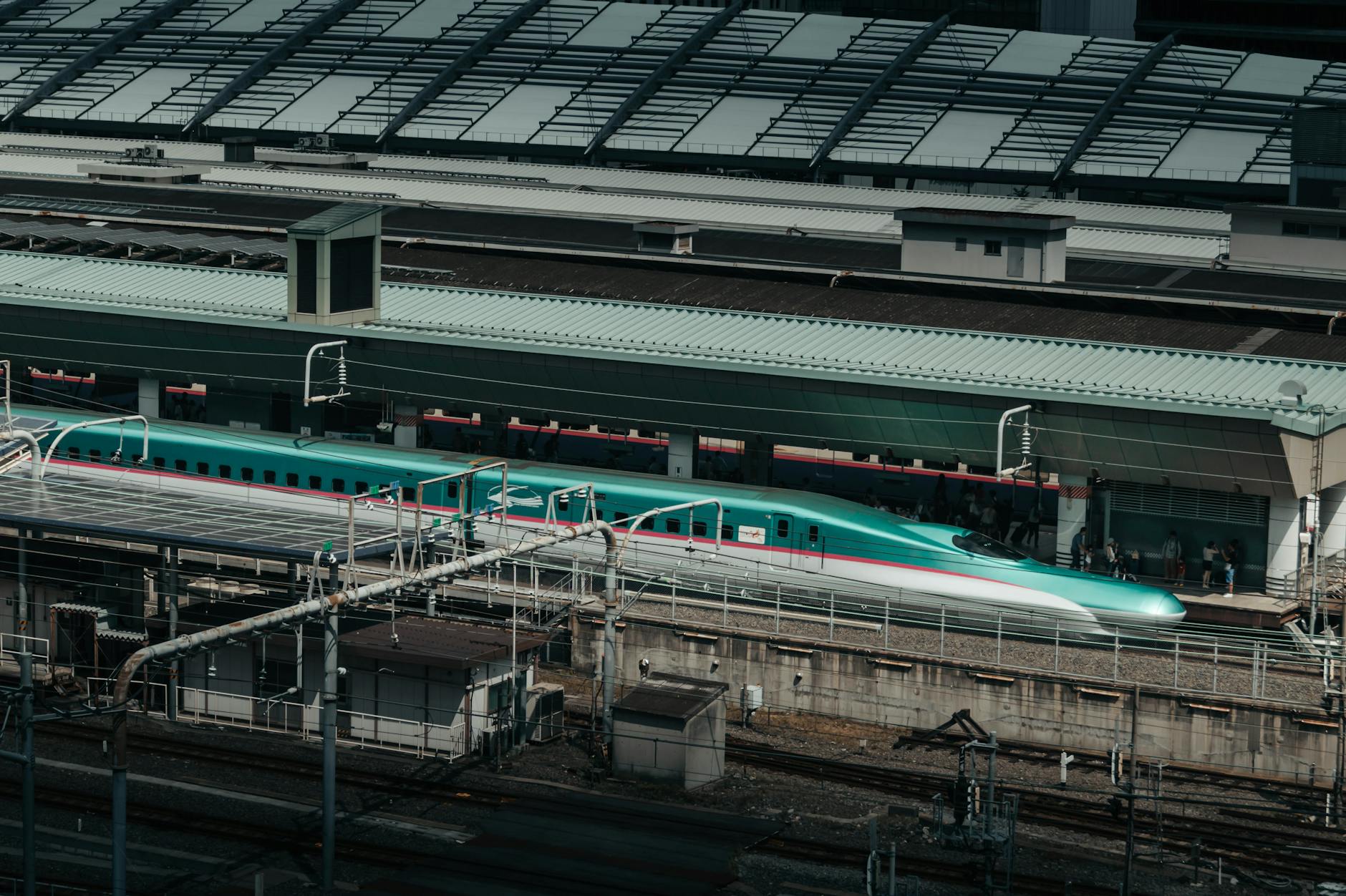
The JR Group’s strategy is transparent: extract maximum yield from point-to-point tickets while subsidizing regional passes that disperse tourists. The JR West Kansai-Hiroshima Area Pass (~¥17,000) and JR East Nagano/Niigata Area Pass (~¥27,000) represent genuine value — the math actually works.
I’ve done a full breakdown of JR Pass versus regional passes for 2026 with route-by-route analysis. Japan rail pass portal carries the current regional inventory with CAD pricing. If you’re booking individual Shinkansen legs, Tokyo–Kyoto bullet train tickets and Tokyo–Shin-Osaka tickets can be pre-purchased with reserved seating — no station counter queue on travel day.
Local Urban Transit
Metropolitan transit runs on distance-based fares — budget ¥800–¥1,500 ($7–$13 CAD) per day using rechargeable IC cards (Suica, Pasmo, ICOCA), totaling roughly ¥15,000 ($135 CAD) across 14 days. For airport-to-city transfers, I mapped out the exact 2026 options and pricing.
How Much Does Food Cost in Japan in 2026?
Japan’s food economy remains one of the most compelling value propositions for Canadians. The sheer density of dining establishments prevents hyper-inflation, and the structural advantage people consistently underestimate: no tipping culture. The menu price — inclusive of 10% consumption tax for dine-in — is the final cost. That alone saves 15–20% compared to dining in Toronto or Vancouver.
Budget dining runs ¥2,000–¥3,500 ($18–$31 CAD) per day. Konbini bento boxes at ¥400–¥700, fast-casual chains like Yoshinoya and Matsuya at ¥450–¥800, and the supermarket sweep after 7 PM where 30–50% markdowns drop a premium ¥1,200 sushi platter to ¥700. Mid-range sits at ¥4,000–¥8,000 ($36–$72 CAD) per day — exceptional ramen for ¥800–¥1,200, kaiten-zushi for ¥1,000–¥2,500, an izakaya evening with yakitori and highballs for ¥3,500–¥5,000.
You’re eating genuinely well at prices that would barely cover a mediocre lunch in downtown Toronto. Premium omakase and kaiseki run ¥15,000–¥40,000+ ($135–$360+ CAD) per meal — expensive, but still cheaper than the equivalent experience in New York or London.
Attractions, Dual Pricing, and Pre-Booking
Free cultural access remains extraordinary — Fushimi Inari, Meiji Jingu, Kanazawa’s streetscapes cost nothing. Standard temple entry holds at ¥300–¥600. But dual pricing has added a new cost layer: Himeji Castle now charges foreigners ¥2,500 versus ¥1,000 for residents (150% premium), and national museums have followed with 100–200% markups. This is a deliberate fiscal strategy — institutions must increase self-generated revenue to 65% of operating costs by 2030.
For mid-range and premium travelers, curated cultural experiences expand the budget quickly — private tea ceremonies run ¥2,800–¥15,000 ($25–$135 CAD), a maiko costume experience in Kyoto runs around ¥5,000–¥12,000, and samurai sword training or calligraphy workshops sit at ¥7,000–¥10,000 ($63–$90 CAD).
For ticketed attractions like teamLab Borderless, Disney, or Universal (¥8,200–¥10,400 day passes on dynamic pricing, with express passes that can double it), pre-booking is increasingly mandatory — inventory sells out weeks ahead during peak season.
I’ve written about booking strategies for sold-out Tokyo attractions. For Niseko skiing with its dual pricing surcharges, see the Hokkaido skiing guide for Canadians.
Connectivity: eSIM Wins
You need continuous cellular data in Japan — mapping, transit, translation, and restaurant discovery all collapse without it. eSIM technology has functionally ended the Pocket Wi-Fi era for solo travelers and couples. Provision a digital profile before departure: 20GB for 30 days costs approximately $26 CAD, under $2/day for a 14-day trip.
I’ve used Airalo across multiple Japan trips — reliable coverage everywhere from central Shibuya to rural Hokkaido. Full setup walkthrough in my Japan eSIM guide for Canadians.
Pocket Wi-Fi still makes sense for one scenario: multi-generational groups with 4-5 devices where some don’t support eSIM. A 14-day rental runs $75–$175 CAD plus ancillary charges. For everyone else, eSIM wins on cost, convenience, and reliability.
Why Canadians Specifically Need Travel Insurance for Japan
The knowledge gap here is genuinely dangerous. Japan’s healthcare system is advanced but strictly privatized for non-residents. Canada has no reciprocal health agreement with Japan. OHIP and every provincial equivalent provides severely limited to zero coverage outside the country. An ER visit, emergency surgery, or medical evacuation can generate bills in the tens of thousands — and Japanese hospitals expect payment or guarantee before treatment.
Medical-only policies run $24–$253 CAD for 14 days depending on age, providing $50,000 to $1,000,000 in emergency medical capital. Comprehensive policies blending medical with trip cancellation cost 4–6% of total trip value — for a 35-year-old insuring a $6,000 mid-range trip, premiums range from $160 to $302 CAD.
One timing detail most people miss: purchasing within 14–21 days of your initial flight deposit unlocks Pre-Existing Condition Waivers and Cancel For Any Reason eligibility at no additional premium. Waiting costs you coverage that can’t be recovered later.
For Canadians: Why I Recommend Sacraw
Bottom line: for Canadians heading to Japan, I recommend Sacraw.
They’re built for the Canadian regulatory framework — they understand provincial coverage gaps, process claims in CAD, and their policy language addresses scenarios that matter in Japan: hospital guarantee of payment (critical, because Japanese hospitals can refuse treatment without it), medical evacuation routing back to Canada, and trip cancellation under Canadian consumer protection standards.
I wrote a detailed analysis of Canadian travel insurance options for Japan that breaks down where credit card coverage falls short. Get a Sacraw quote for your trip dates and compare it against whatever your credit card claims to offer.
2026 Policy Changes That Hit Canadian Wallets
Departure Tax Tripled (July 1, 2026): The International Tourist Tax jumped from ¥1,000 to ¥3,000 per passenger (~$27 CAD), embedded in your ticket price.
Tax-Free Shopping Overhaul (November 1, 2026): The old flash-your-passport exemption is gone. You now pay full price including 10% consumption tax and claim a retroactive refund at airport kiosks. This forces higher short-term liquidity and you absorb currency conversion spreads on the gross transaction. If traveling after November 1, budget 10% more cash flow and allocate 30 minutes at the airport.
JESTA (by 2028): A digital pre-screening system modeled on the US ESTA — anticipated fee of ¥2,000–¥3,000 ($18–$27 CAD) for Canadian passport holders. Not a 2026 cost, but worth tracking.
Your 14-Day Japan Trip Action Checklist
- Lock in airfare early. Shoulder season (May, early June, late September, October) offers the best value. Set a fare alert and book when it dips below $1,500 CAD.
- Get travel insurance within 14 days of your first deposit to unlock pre-existing condition waivers and CFAR eligibility. Get a Sacraw quote for your dates.
- Book accommodation strategically. Base in Osaka to day-trip Kyoto, add regional nights in Kanazawa or Takayama. Read my ryokan booking guide before booking traditional accommodation.
- Run the JR Pass math for your specific route. Regional passes almost always beat the national pass. Compare regional rail passes and read my JR Pass breakdown.
- Set up your eSIM before you fly. Grab a Japan data package from Airalo — 20GB for ~$26 CAD. Full setup in my eSIM guide.
- Pre-book ticketed attractions 3-4 weeks ahead.
The travelers who get burned in 2026 are the ones running on 2019 assumptions — buying the national JR Pass without checking it against their route, booking Kyoto hotels without calculating the new tax tiers, arriving without insurance because their credit card “covers international travel.” The ones who do well understand the new cost architecture and plan around it. Japan remains the highest-value travel destination in the developed world for Canadians who approach it with precision instead of assumption.