Hakone by Car: Skipping the Loop, Beating the Bottlenecks
Hakone by car bypasses the crowded Loop entirely. Here is the route to private lake access, a mountain pass, and a ryokan strip the tour buses never reach.
The Hakone Free Pass is one of the most celebrated travel products in Japan. It bundles trains, cable cars, ropeways, and pirate ships into a single ticket that loops you through volcanic valleys and across a caldera lake. Hakone draws around twenty million visitors a year, and roughly 700,000 to a million Hakone Free Passes are sold annually to ride this circuit.
That’s the problem.
The Free Pass doesn’t give you Hakone. It gives you a conveyor belt through Hakone’s most congested chokepoints, timed to deliver you at peak crowd density, bound by operating windows that embargo sunrise and sunset, fragile to wind closures that strand thousands.
A second Hakone exists. It runs along the caldera rim on toll roads that open at 7 AM—two hours before the ropeway. It includes the milky sulfur waters of Sengokuhara, accessible by car but logistically punishing by bus. It offers Mt. Fuji views from Mikuni Pass that transit users never see because no bus goes there.
The Free Pass buys you a ride. The car key buys you the mountain.
How the Loop Actually Works
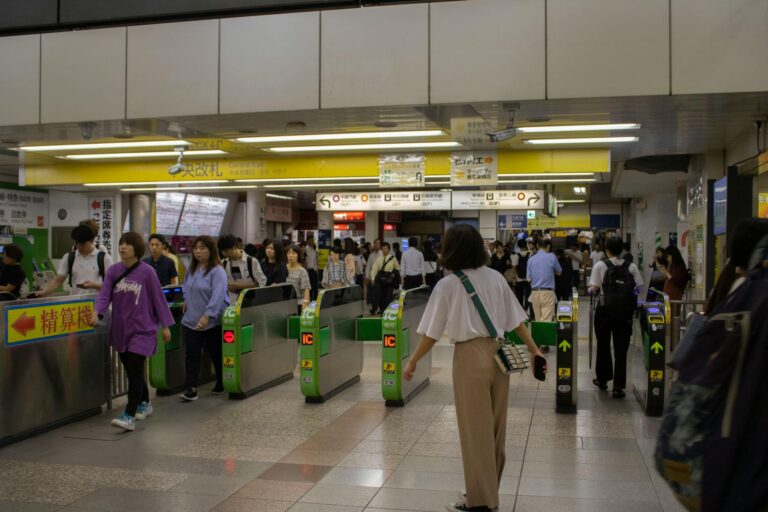
The “Golden Loop” runs like this: train to Hakone-Yumoto, switchback railway to Gora, cable car to Sounzan, ropeway across the valley to Togendai, pirate ship across Lake Ashi, bus back to Yumoto. The Free Pass bundles it all.
The marketing shows seamless adventure. The reality is chokepoints.
The Sounzan Transfer
This is where the system breaks down. The cable car dumps passengers at Sounzan Station, where everyone queues for the ropeway. On weekends and autumn foliage season, the wait exceeds 45 minutes. There’s no alternative route across the mountain without backtracking significantly.
You’re not exploring Hakone. You’re standing in line for the next segment.
The Pirate Ship Bottleneck
The sightseeing cruise across Lake Ashi is iconic—and crowded. These vessels process thousands of tourists onto the same decks at the same times. The experience becomes less about the lake and more about managing proximity to other bodies.
Drivers see Lake Ashi from the ridge roads above or the quiet parking lots near Hakone Shrine. The water is a backdrop, not a crowded conveyance.
The Temporal Cage
The ropeway operates 9 AM to 5 PM (closing as early as 4:15 PM in winter). The cruise follows similar hours. Golden hour—sunrise and sunset—is physically inaccessible from the gondola or the boat deck.
Transit users spend their day watching the clock, calculating whether they can squeeze in one more stop before the last connection. The fear of being stranded (taxis from the lake to Yumoto run about ¥5,000-6,500) forces conservative departures. Most leave the highlands by 4 PM, right when the light turns beautiful.
The Weather Fragility
The ropeway suspends operations for high winds or elevated volcanic gas at Owakudani. When it halts, the loop breaks. Free Pass holders get funneled onto substitution buses—overcrowded, slow, stripped of scenic value.
Drivers reroute to the Ashinoko Skyline or the lakeside roads without missing a beat. The wind that grounds gondolas doesn’t affect cars.
What the Car Unlocks
The driver’s Hakone runs on a different clock, accesses different geography, and encounters different crowd levels.
The 7 AM Skyline
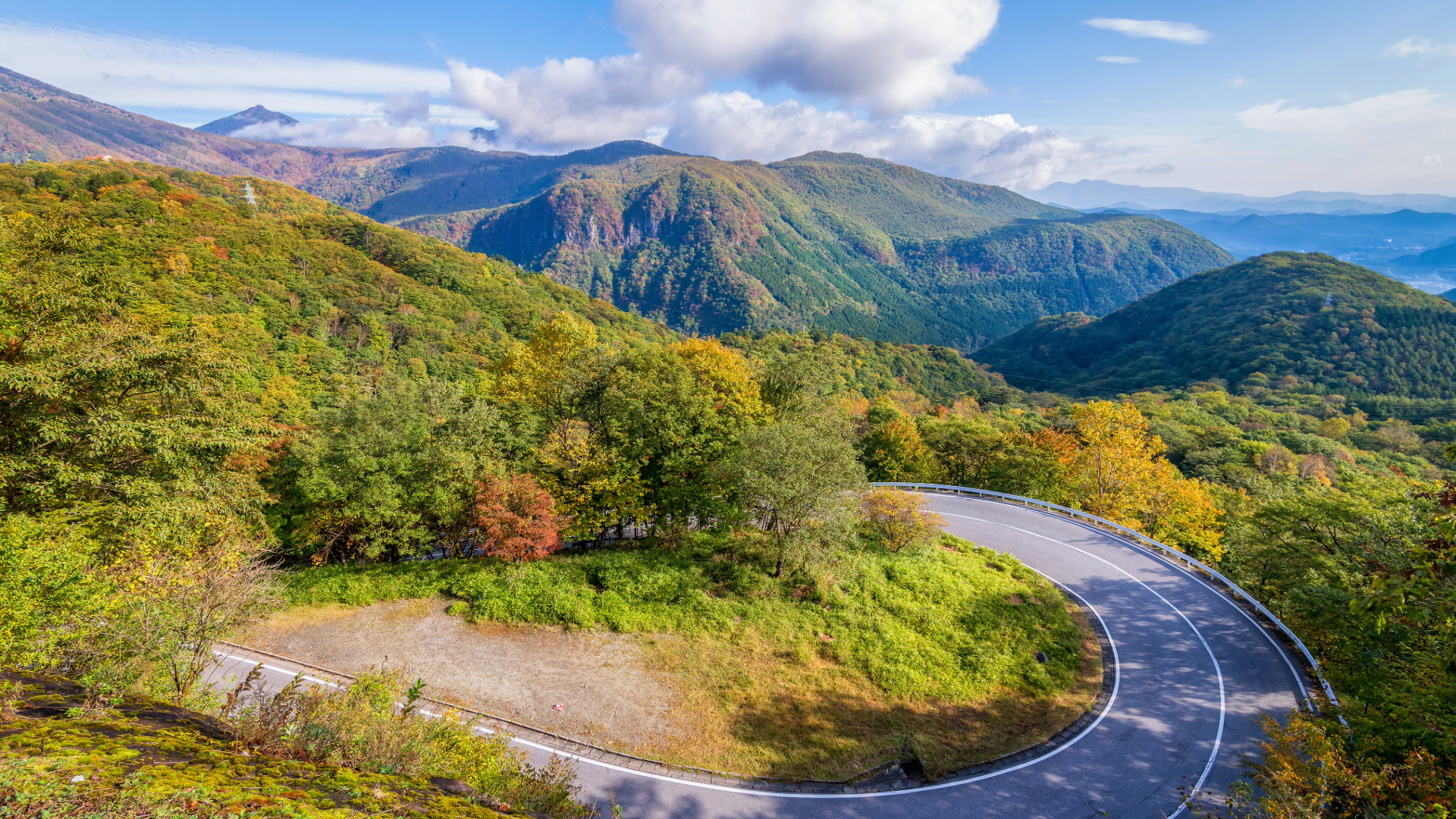
The Hakone Skyline and Ashinoko Skyline toll roads run along the western rim of the caldera. They open at 7 AM—two hours before the ropeway starts operating.
At 7:15 AM, a driver stands at Mikuni Pass watching sunrise light hit Mt. Fuji across Suruga Bay, Lake Ashi glittering below. The Tozan train is barely starting its first run. The ropeway is hours from opening. The ridge belongs to you.
This isn’t a minor timing advantage. It’s access to a Hakone that doesn’t exist on the tourist map—the Hakone of first light and empty roads.
Transit users see Fuji from the lake level or through ropeway windows. Drivers see it from the rim, at dawn, alone.
The Owakudani Advantage
Owakudani—the Great Boiling Valley—is the geological heart of Hakone. For loop tourists, it’s a mid-day stopover reached after 10 AM, crowded with passengers disgorged from gondolas queueing for black eggs.
For drivers, it’s a different place entirely.
The parking gates open at 9 AM. A driver arriving at 8:45 AM is parked and walking the vents by 9:05 AM. The ropeway also starts around 9 AM, but passengers must travel from Gora or Togendai. By the time the first gondola wave navigates transfers and rides the 15-minute scenic leg, it’s approaching 9:45 AM.
The driver gets a 30-to-45-minute window of relative solitude at Hakone’s most popular site. That’s the difference between experiencing volcanic power and queueing for a photo op.
When I drove to Owakudani at 7 AM, the parking lot was empty and the volcanic vents were mine for an hour. By 10 AM the ropeway queue was 45 minutes long and the same viewing platform was shoulder-to-shoulder. That timing gap is the entire argument for driving.
The sensory arrival differs too. The ropeway provides an aerial flyover—detached, observed from above. The drive immerses you in changing vegetation zones as sulfur smell intensifies with altitude. The sudden reveal of steaming vents creates visceral connection. You feel the gradient of the volcano; the ropeway rider floats above it.
The Melody Road
A section of the Ashinoko Skyline features grooves cut into the asphalt that play music when you drive over them at 40 km/h. The tunes include “A Cruel Angel’s Thesis” from Neon Genesis Evangelion (set in a fictionalized Hakone) and the folk song “Fuji no Yama.”
It’s quirky, distinctly Japanese, and impossible to experience on a bus. The road becomes interactive—a collaboration between driver and infrastructure.
Sengokuhara: The Milky Water Sanctuary
Sengokuhara is the highland plateau north of Lake Ashi. It’s technically on the bus network but geographically isolated from the rail/ropeway circuit. For loop users, it’s a logistical detour requiring broken transfers. For drivers, it’s a direct destination.
The draw is the water. While Hakone-Yumoto (the main station area) offers clear alkaline springs, Sengokuhara taps the acidic, sulfur-rich, milky-white nigori-yu piped directly from Owakudani’s volcanic source. This water is prized by onsen connoisseurs for its skin-healing properties and distinct volcanic character.
The best nigori-yu ryokans sit here, away from the trains:
-
Mount View Hakone — Famous for rare milky water and day-use options. Drivers pull directly to the door.
-
Senkyoro — Open-air baths overlooking mountains, creating seclusion that’s punishing to reach by bus.
-
Hanaori — Modern luxury near Togendai, but hauling luggage through ropeway transfers to reach it defeats the relaxation purpose. Drivers glide into the parking lot.
A transit user reaching Sengokuhara takes a 30-50 minute bus ride from Yumoto or Gora, subject to traffic on narrow mountain roads. If they want to combine the loop with a Sengokuhara stay, they break the circuit and drag luggage through crowded terminals.
The driver finishes a morning on the Skyline, drops directly into Sengokuhara for a milky soak, and dines at a restaurant kilometers away—impossible for the bus-bound tourist after 6 PM when frequency collapses.
The Pampas Grass Without the Crowd
Sengokuhara’s pampas grass fields (susuki) draw autumn visitors. The main road alongside becomes a traffic snarl for buses locked to their routes.
Drivers approach from the north via Gotemba or use side roads to bypass congestion. More importantly, drivers visit at twilight when bus crowds have dispersed—silver grass glowing under moonlight, a spectacle the day-tripper rushing to catch the last bus will never see.
The Strategic Entry Points
The biggest mistake drivers make is entering Hakone the same way transit users do—through Hakone-Yumoto on Route 1.
The Route 1 Trap
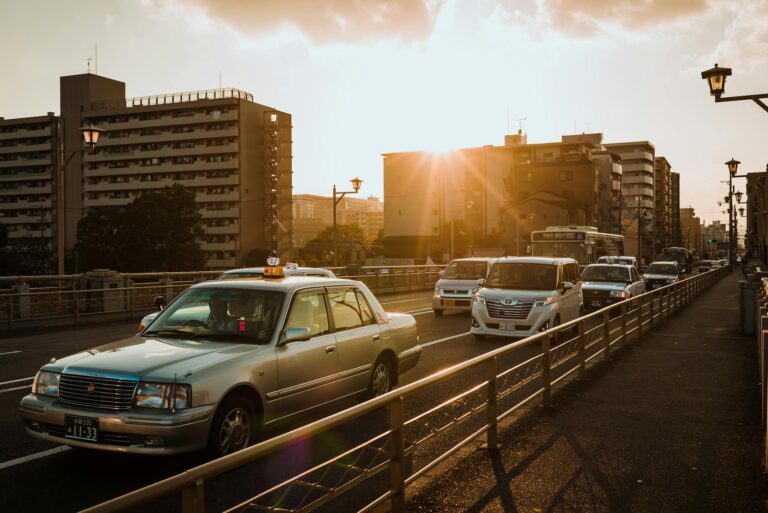
National Route 1 from Yumoto to Miyanoshita is a single-lane mountain road serving as the main artery. On weekends, this 6km stretch takes over an hour due to volume and lack of passing lanes.
Here, the Tozan Railway wins. It runs on dedicated track, bypassing gridlock entirely.
The Backdoor Strategy
Smart drivers enter from the back—via the Hakone Turnpike or the Skyline roads from the Gotemba/Izu side. The tourist loop funnels people through the front door (Yumoto). The driver enters from the roof.
This is how you hit Mikuni Pass at sunrise and Owakudani at gate-open without sitting in the same traffic the buses endure.
Navigation is critical here. Since Japanese car GPS units can be tricky, reliable mobile data and Google Maps are essential.
The Honest Cost Comparison
The car isn’t cheaper. It’s a different value proposition.
Free Pass Economics
The Hakone Free Pass (2-day, from Shinjuku) costs approximately ¥6,100, rising to ~¥7,100 after October 2025. This covers virtually unlimited transport on the loop network.
For non-drivers, the JR Pass plus the Hakone loop is the alternative to price out.
Driving Economics
Canadians: verify rental and medical cover before you take the wheel on the Hakone loop.
-
Toll roads (the good stuff):
-
Hakone Skyline: ~¥360
-
Ashinoko Skyline: ~¥620–800
-
Mazda Turnpike (common approach): ~¥730
-
Full “ridge run”: ~¥2,000 in scenic tolls alone
-
-
Highway tolls (Tokyo to Hakone): ~¥3,000–4,000 round trip
-
Fuel: ~¥2,500–3,500 for a full day of mountain driving
-
Parking:
-
Owakudani: ~¥530
-
Lakeside lots: ¥300–1,000/hour (expensive and full by noon)
-
Ryokans: Usually free
-
-
Rental car: ¥7,000–10,000/day for a compact — I typically book through Rakuten Travel to lock down a vehicle.
Total for two-day driving trip: ¥20,000–30,000
The car costs 3-4x the Free Pass. You’re not saving money. You’re buying time, access, and solitude.
For groups of three or four splitting costs, the gap narrows significantly. For solo travelers or couples prioritizing budget over experience, the Free Pass wins on economics.
The Weather Variable
Drivers must know: Prefectural Road 734 (the road to Owakudani) closes based on volcanic gas levels. The ropeway closes too, but the road closure physically blocks the car.
The difference: when the ropeway closes, transit users are stranded at stations with no options. When the road closes, drivers pivot instantly to the Ashinoko Skyline or the lakeside. Agency over the itinerary is preserved.
Check volcanic alerts before departure. But understand that the car retains flexibility the loop cannot offer.
The Bottom Line
The Hakone Free Pass is a brilliant product for processing tourists efficiently through difficult terrain. It creates a shared, synchronized experience—and that’s exactly its limitation. You see what twenty million other people see, when they see it, from the same vantage points.
The car breaks the synchronization. It inverts the schedule—hitting Owakudani before the crowds arrive, accessing Sengokuhara without transfer penalties, owning the twilight hours that transit users forfeit to closing times.
The driver’s Hakone is defined by agency. You trade low cost for high reward. The car isn’t just transportation; it’s a time machine that accesses the 7 AM Hakone and the ridge-line Hakone—places that don’t exist on the tourist map.
In Hakone, the train ticket buys you a ride. The car key buys you the mountain.