Narita vs Haneda: Getting from Tokyo’s Airports to the City in 2026
A field-tested breakdown of every train, bus, and late-night option from Narita and Haneda into central Tokyo -- with current 2026 prices, travel times, and the smartest IC card strategy.
Short answer: If you have a choice, fly into Haneda. It is closer to central Tokyo, has more frequent connections, and is easier to navigate after a long flight. If you land at Narita, take the Keisei Skyliner to Ueno (36 minutes) or the N’EX to Tokyo Station (53 minutes). Both are fast, clean, and dead simple. That is the entire decision tree.
I have flown into both airports more times than I can count at this point — usually arriving wrecked after 12+ hours from Toronto. Over the years I have tried every train, bus, and questionable late-night taxi option between these two airports and central Tokyo. Here is everything I know, updated for 2026 pricing and schedules.
One thing before we start: sort your mobile data before you land. I cover everything you need — eSIM options, setup steps, the best plans for Canadians — in my Japan eSIM guide. Get that sorted before you board.
Haneda Airport (HND): The Convenient One
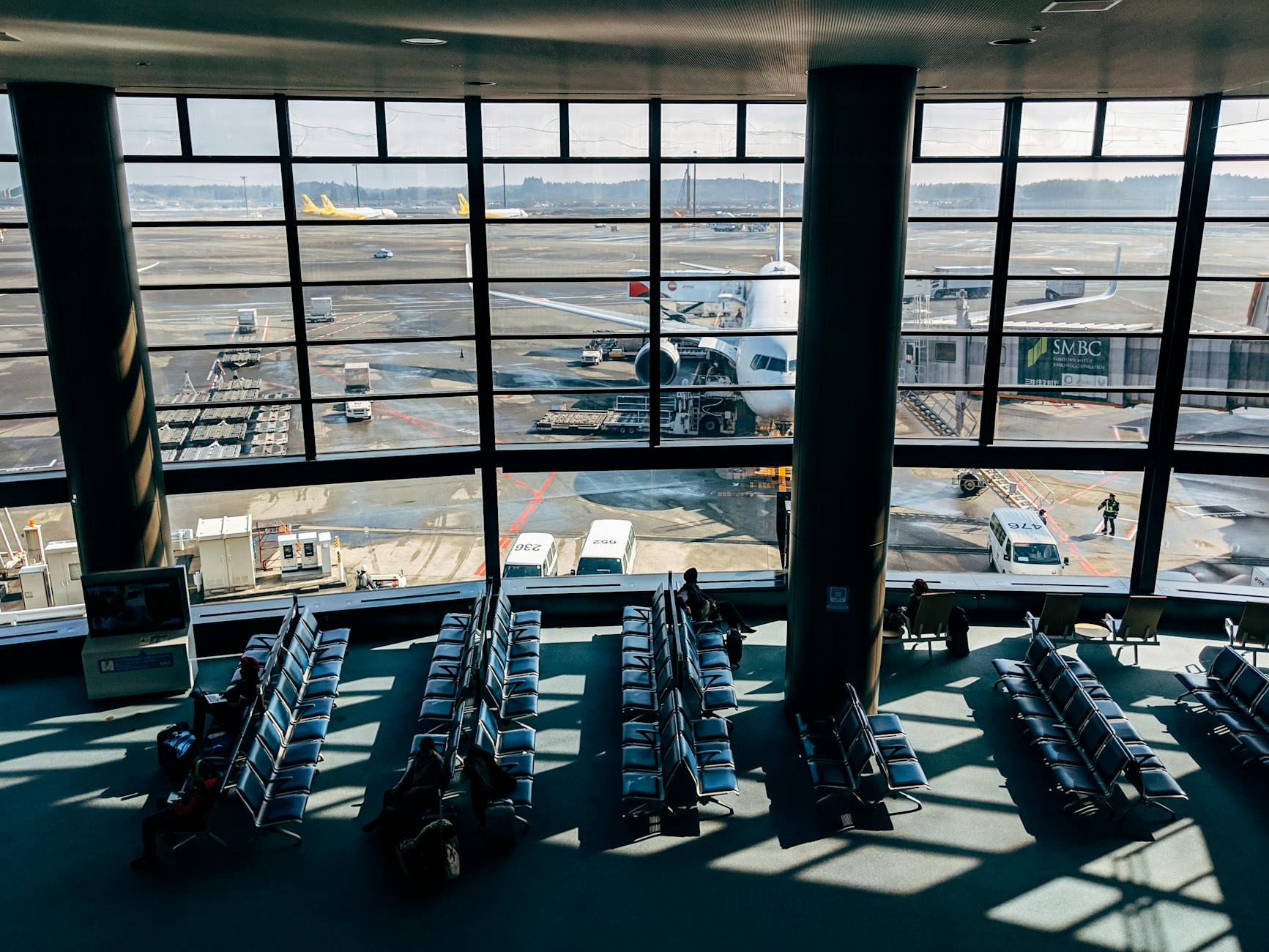
Haneda sits about 15 kilometres south of central Tokyo, right on the edge of Tokyo Bay. Most international flights now arrive at Terminal 3 (the international terminal), and the transport hub is directly underneath it. You will be on a train within 10 minutes of clearing customs if you move with purpose.
Keikyu Line (Train)
This is my default. The Keikyu Line connects Haneda to Shinagawa Station in about 13 minutes, and from Shinagawa you can transfer to the JR Yamanote Line to reach anywhere in the city. Direct trains also run to Yokohama if you are headed south. The fare to Shinagawa is around 300 yen (~$2.75 CAD, as of early 2026). Tap your IC card and go. No reservation needed.
If your hotel is near Asakusa, Nihombashi, or anywhere along the Asakusa Line, look for a Keikyu train marked as a direct service to Asakusa Line stations. It saves you a transfer and costs the same.
Tokyo Monorail
The monorail runs from Haneda to Hamamatsucho Station in about 13 minutes for 500 yen (~$4.55 CAD). From Hamamatsucho you transfer to the JR Yamanote Line. It is fine, but the Keikyu is cheaper and drops you at Shinagawa, which is a bigger hub. I take the monorail when the Keikyu platform is packed, which is rare.
Limousine Bus
Airport Limousine buses run from Haneda to major hotels and stations across Tokyo. Shinjuku takes about 35-50 minutes and costs around 1,400 yen (~$12.70 CAD). The buses are comfortable with luggage storage underneath, and they drop you right at the hotel door in many cases. This is the best option if you are carrying heavy bags and your hotel is a direct stop. Check the Limousine Bus website for routes.
Taxi
A taxi from Haneda to central Tokyo runs about 6,000–10,000 yen (~$54–$91 CAD) depending on destination and traffic. Fixed-fare zones exist for some areas. At 2–3 AM with no trains running, splitting a taxi with a travel partner is not unreasonable. Just make sure you have your hotel address written in Japanese or loaded on your phone.
Worth booking: If navigating the Tokyo rail system on 14 hours of flying sounds awful, get a guided Haneda pickup. A local meets you at arrivals and escorts you onto the exact trains to your hotel, completely removing the day-one transit stress.
Narita Airport (NRT): The Distant One
Narita is roughly 60 kilometres east of Tokyo in Chiba Prefecture. It was built in the 1970s because Haneda was at capacity, and despite decades of improved rail links, it is still a haul. Budget an absolute minimum of 60 minutes to reach central Tokyo, and realistically 75–90 minutes door-to-door.
Keisei Skyliner (Fastest)
The Skyliner is the premium option: 36 minutes to Ueno, 41 minutes to Nippori, reserved seating, luggage space, smooth ride. The fare is 2,580 yen (~$23.45 CAD, as of early 2026). From Ueno you can transfer to the JR Yamanote Line, the Ginza Line, or the Hibiya Line to reach most of the city.
I take the Skyliner almost every time I land at Narita. It is the fastest way to get moving, and after a long flight, speed matters more than saving 1,000 yen. Pre-book your Skyliner ticket through Rakuten Travel Experiences for a guaranteed reserved seat – the Skyliner is run by Keisei (not covered by the JR Pass), and it fills up during cherry blossom season when every train is rammed.
Narita Express / N’EX (Most Versatile)
The N’EX is JR’s airport express and goes directly to Tokyo Station (53 minutes), Shibuya (75 minutes), Shinjuku (80 minutes), and beyond. The standard fare is around 3,070 yen (~$27.90 CAD) to Tokyo Station. It is covered by the Japan Rail Pass if you have one activated. See my JR Pass and regional passes guide for whether activating your pass on arrival actually makes sense. You can also pre-purchase Tokyo Subway tickets through Rakuten Travel Experiences before you land — one less queue at the airport.
The N’EX makes sense if your hotel is along its route — particularly Shibuya, Shinjuku, or Ikebukuro. You avoid the transfer at Ueno that the Skyliner requires. Check N’EX ticket prices through JR Pass for foreign-visitor discount fares.
Keisei Access Express (Cheapest Train)
This is the budget pick. The Access Express costs about 1,310 yen (~$11.90 CAD) and takes roughly 60 minutes to Asakusa or Nihombashi via the Asakusa Line. No reserved seats — you sit where you can. It is perfectly comfortable, just slower, and the train can get crowded during rush hours. You can tap an IC card for this one.
Airport Limousine Bus
Limousine buses from Narita cost around 3,600 yen (~$32.70 CAD) to Shinjuku and take 85-120 minutes depending on traffic. The upside is zero transfers and direct hotel drop-offs. The downside is that traffic on the Bayshore Expressway is unpredictable. I only take the bus when my hotel is a direct stop and I am not in a rush.
Side-by-Side Comparison
| Option | Time & Cost | Best For |
|---|---|---|
| Keikyu Line (Haneda) | ~20 min to Shinagawa, ~300 yen (~$2.70 CAD) | Budget travelers, Shinagawa/south Tokyo hotels |
| Tokyo Monorail (Haneda) | ~18 min to Hamamatsucho, ~500 yen (~$4.50 CAD) | Connecting to Yamanote Line |
| Direct to hotel doorstep, heavy luggage | ||
| Narita Express N’EX (Narita) | 53 min to Tokyo Stn, ~3,070 yen (~$27.90 CAD) | Direct to Tokyo/Shibuya/Shinjuku, JR Pass covered |
| Budget — cheapest train from Narita | ||
| Direct hotel drop-off, no transfers | ||
| Taxi (Haneda) | 30-60 min, 6,000-10,000 yen | Late night / groups splitting fare |
| Taxi (Narita) | 60-90 min, 20,000-30,000 yen | Last resort only |
Which Airport Should You Choose?
If your airline gives you a choice between Haneda and Narita, pick Haneda every time. The math is simple: Haneda is closer, cheaper to get into the city, runs later services, and the terminals are newer and easier to navigate. The 300-yen Keikyu ride to Shinagawa versus a 2,520-yen Skyliner from Narita is not even a contest.
That said, most of us do not always get to choose. Budget carriers and certain long-haul routes still land at Narita. If you are price-comparing flights and the Narita option saves you more than about 5,000 yen (~$45 CAD), take it — that gap covers the extra transport cost and then some. Below that threshold, Haneda wins on time and convenience.
One more thing: if you are connecting to domestic flights within Japan, Haneda handles far more domestic routes. A Narita arrival followed by a Haneda domestic departure means a 90-minute cross-city transfer. Avoid that if you can. For the full airport comparison including terminal layouts and check-in times, see my Haneda vs Narita airport breakdown.
The IC Card Factor
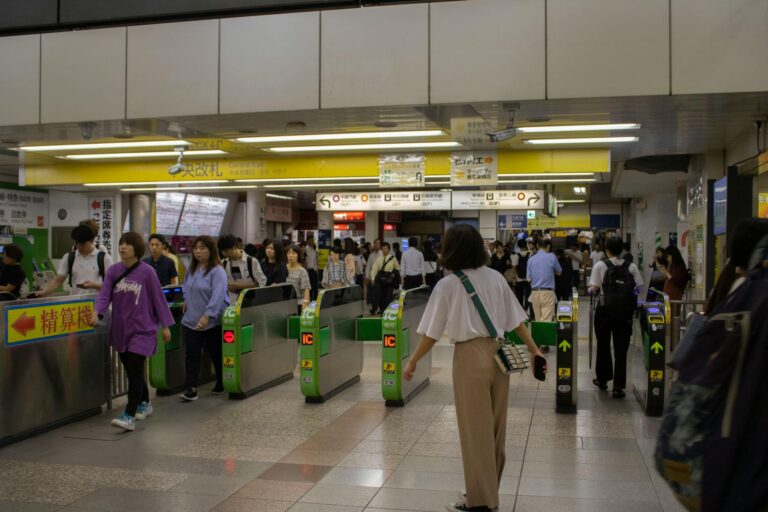
Before you leave the airport — whichever one you land at — get an IC card. In 2026, physical Suica and Pasmo cards are still limited in supply due to the ongoing semiconductor shortage, but both airports have machines or counters where you can sometimes find them. The more reliable move is to set up a Mobile Suica on your iPhone (via the Wallet app) or a Mobile Pasmo on Android before you even land.
An IC card lets you tap through train gates, pay at convenience stores, and ride buses across the entire Kanto region without fumbling for cash or buying individual tickets. Load 2,000–3,000 yen (~$18–$27 CAD) on it at the airport and you are set for your first couple of days. My IC card and JR Pass guide covers setup, top-up, and whether the JR Pass is actually worth it for your trip.
While you are getting set up at the airport, sort your data situation too. I cover every eSIM option for Japan travel in my Japan eSIM guide for Canadians — including how to set one up before departure so you have data from the moment you land. I use an Airalo Japan eSIM and activate it during boarding. By the time I am through customs, I am online.
Late-Night Arrivals
This is the part nobody talks about until they are standing in an empty arrivals hall at 11:45 PM.
Haneda after midnight: The Keikyu and Monorail stop running around midnight. Your options are night buses (limited routes, check schedules in advance), a taxi (6,000–10,000 yen, ~$54–$91 CAD), or waiting it out. Haneda’s Terminal 3 has a 24-hour food court area and some bench seating. There is also a transit hotel — Royal Park Hotel The Haneda — inside the terminal if you want an actual bed. Book it in advance during peak season.
Narita after midnight: This is rougher. The last Skyliner leaves around 8:30 PM and the last N’EX around 9:45 PM. If you clear customs after that, you are looking at a night bus (the LCB “Lucky Shuttle” runs limited overnight services to Tokyo Station) or a very expensive taxi. Narita’s terminals have rest lounges and some floor space that people camp on, but it is not comfortable. If your flight lands after 9 PM, seriously consider booking a hotel near the airport — the Hilton Narita or APA Hotel Narita are both under 10,000 yen (~$91 CAD, as of early 2026) and a free shuttle ride away.
My advice: if you know you are arriving late, do not try to be a hero. One night at an airport hotel costs less than a midnight taxi and you start the next day rested instead of wrecked. For a broader look at where to stay across Tokyo, my Japan business hotel guide covers the reliable chains that won’t drain your budget.
Before You Land — Action Checklist
- Set up your eSIM before you board. Get an Airalo Japan eSIM and activate it during your flight. You need data the second you clear customs — for navigation, translation, and looking up train schedules. Full guide: Japan eSIM guide for Canadians.
- Load Mobile Suica or Pasmo before departure. Set this up on your iPhone Wallet or Android before you fly. You will tap through airport train gates and pay at every convenience store with the same card. Setup walkthrough in my IC card and JR Pass guide.
- Pre-book your airport train if flying into Narita. Pre-book the Skyliner through Rakuten Travel Experiences (it runs on Keisei, not the JR Pass) or pre-book the N’EX for a reserved seat and foreign-visitor discount. During Golden Week or cherry blossom season, these trains fill up — do not wing it. (Speaking of Golden Week: if you are traveling in late April or early May, read my Golden Week pricing guide before you book anything.)
- Consider shipping your luggage ahead. If you are landing at Narita with a heavy bag and heading straight to a hotel across town, takkyubin (luggage forwarding) is a game changer. You can arrange it from the airport counter. My takkyubin guide has everything you need — costs, counters, how to fill out the form.
- Get travel insurance before you leave home. I use travel insurance through Sacraw — it covers trip cancellations, medical emergencies, and missed connections. A late-arriving flight into Narita that kills your shinkansen reservation is exactly the kind of thing that makes you glad you have it. Full breakdown in my Canada-Japan travel insurance guide.
- Know your real trip cost going in. Airport transport is just the start. My Japan trip cost breakdown for Canadians has a full per-day budget model — accommodation, food, transport, activities. Worth reading before you finalize your budget.
- Browse Tokyo experiences before you land. Once you are through the airport and settled, Tokyo moves fast. Browse Tokyo experiences on Rakuten for day trips and cultural activities worth booking ahead — especially if you are heading to Kyoto or the Kansai region. My Kansai trip planning guide covers that leg.
Frequently Asked Questions
Which Tokyo airport is closer to the city center?
Haneda, by a wide margin. It is about 15 km south of central Tokyo versus Narita’s 60 km east. Haneda to Shinagawa is 13 minutes by train. Narita to Ueno is 36 minutes at best, and most destinations take longer.
What is the cheapest way to get from Narita Airport to Tokyo?
The Keisei Access Express at around 1,310 yen (~$11.90 CAD). It takes about 60 minutes to Asakusa or Nihombashi and accepts IC cards. No reservation needed.
Can I use a Suica or Pasmo card on airport trains?
Yes, on the Keikyu Line, Tokyo Monorail, and Keisei Access Express. The Skyliner and N’EX require separate reserved-seat tickets on top of the base fare.
What do I do if I arrive after midnight?
Night buses run limited schedules from both airports. Taxis are available but expensive — especially from Narita (20,000–30,000 yen, ~$182–$273 CAD). Both airports have rest areas, and Haneda has an in-terminal hotel. Booking a nearby airport hotel the night before is the smartest move.
Is the Japan Rail Pass worth it just for the airport transfer?
No. A JR Pass costs far more than a single N’EX ticket. Only activate it if you have bullet train trips planned in the same period. For a one-off Narita transfer, buy an individual ticket.
Should I book airport transport tickets in advance?
It is not required, but pre-booking the Skyliner through Rakuten Travel Experiences guarantees a reserved seat (the Skyliner runs on Keisei, not the JR Pass). During Golden Week or cherry blossom season, advance booking is strongly recommended.
That covers it. Whether you land at Haneda or Narita, you now have every option mapped out with real prices and times. Grab your IC card, tap through the gate, and start exploring. Tokyo does not wait.