Japan Travel Beyond the First Trip: The Return Visitor’s Playbook
Japan after the Golden Route: where return visitors actually go, what to skip, and how the trip changes once you already know how it works.
Your first trip to Japan followed the script — Tokyo, Kyoto, Osaka, probably in that order, probably with a JR Pass. That’s fine. Everyone does it. The question is what changes when you’ve already done the Golden Route and you’re going back.
Once you know how Japan works — the cash, the stations, the unspoken rules — the entire map opens up. What follows is the playbook for return visitors: where to go, how to get there, what to skip, and where the real depth lives.
What You Can Skip This Time
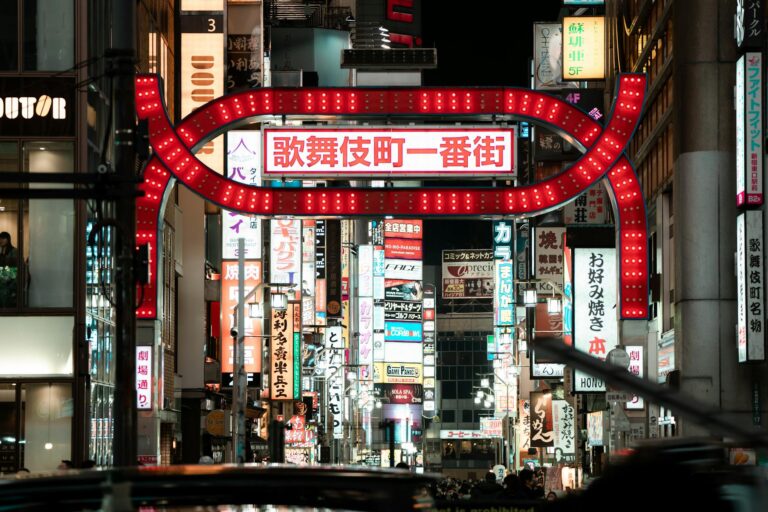
The biggest advantage of a return trip is time. You’re not deciphering Shinjuku Station or photographing the Shibuya scramble. You already know how IC cards work, how to use restaurant ticket machines, and how to read a bus schedule. That efficiency changes everything.
Use it ruthlessly. The Golden Route is increasingly overrun — Kyoto’s historic districts now see more foreign visitors than locals in peak season. Skip the single-use spectacles: the Arashiyama Bamboo Grove, the main path up Fushimi Inari, Osaka Castle (a concrete reconstruction — original castles in smaller cities are far better). Hakone day trips from Tokyo aren’t worth repeating unless you’re booking a multi-night ryokan stay. Stop ticking boxes and start actually being somewhere.
Tokyo Beyond the Tourist Spots
Tokyo isn’t one city — it’s dozens of distinct neighborhoods, each with its own personality. First-timers stick to Shinjuku, Shibuya, and Akihabara. Return visitors go deeper.
Shimokitazawa is Tokyo’s vintage and indie music capital. Thrift shops like New York Joe Exchange (in a converted bathhouse) and Flamingo require hours to browse properly. The neighborhood runs on artist time — arrive after lunch, stay into the evening. Thursday through Sunday is best.
Koenji kept its punk and counter-culture edge through decades of redevelopment. The Junjo Shotengai arcade feels frozen in the Showa era — cramped yakitori stands, independent roasters, radical bookstores. Weekend afternoons bring street performances and locals spilling out of standing bars.
Yanaka survived the war and the modernization that followed. It’s genuine old Tokyo — wooden buildings, narrow alleys, artisan shops. Hit Yanaka Ginza before 10 AM to dodge the crowds and hunt for the Seven Lucky Cats hidden along the street.
Kagurazaka was an Edo-period geisha district that’s now Tokyo’s “Little Paris” — cobblestone alleys, hidden traditional restaurants, and a dense concentration of French bakeries. The Akagi-jinja Shrine, redesigned by Kengo Kuma in glass and timber, sits minutes from centuries-old temples. Walk the side alleys on a weekday afternoon.
Tomigaya, just west of Yoyogi Park, is quiet affluence and world-class coffee without Shibuya’s chaos. Perfect for early morning weekend starts before walking through Yoyogi’s forested grounds.
Nakameguro draws crushing crowds for two weeks of cherry blossoms — but the other fifty weeks reveal its real character: high-end boutiques, specialized bookstores, intimate cocktail bars. Visit on a late weekday afternoon.
Change your vantage point: If you have already done the standard street-level tours, viewing Tokyo from the water offers a completely different layout of the city. Groups can split the 250,000 JPY cost of a six-hour Tokyo Bay charter for a daytime water activity, or book a shorter private Odaiba cruise departing from Kachidoki that includes a meal and your first drink. Both are private charters, meaning you trade crowded sidewalks for a dedicated boat and crew.
Going Regional: Beyond Tokyo and Kyoto
The real shift on a second trip is leaving the Tokyo-Kyoto corridor entirely. Japan’s regional diversity is enormous, and most of it sees almost no international visitors.
One thing becomes non-negotiable once you leave the Golden Route: reliable mobile data. Tokyo and Osaka have near-universal Wi-Fi. The San’in coast, rural Tohoku, and Hokkaido’s interior do not. An eSIM from Airalo or Sakura Mobile eliminates the connectivity anxiety — install before you land and forget about it.
Tohoku: Japan’s Quiet North
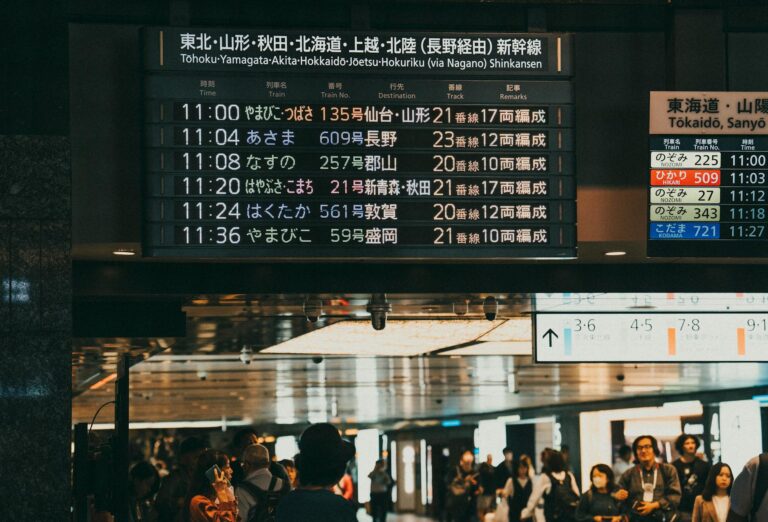
The northern tip of Honshu — Aomori, Sendai, Akita, Yamagata — barely registers on most tourist radars. That’s the point. Sendai is 90 minutes from Tokyo by Shinkansen; Aomori is about three hours. The region produces Japan’s best apples, black garlic, and premium sake. Use Sendai as a base to reach Tashirojima (Cat Island) in Ishinomaki, then press north to Aomori’s contemporary art museums and ancient Jomon archaeological sites. Budget four to six days minimum.
Shikoku: Temples, Art Islands, Ancient Hot Springs
Japan’s smallest main island is defined by the 88 Temple Pilgrimage — a 1,200-kilometer circuit traditionally walked over 45-50 days. By rental car, you can cover it in 10-14 days for roughly ¥140,000 (about $900-$950 USD at 2026 rates) including lodging, food, and transport. Beyond the pilgrimage, there’s the contemporary art island of Naoshima and Dogo Onsen in Matsuyama. Fly from Tokyo — it’s 90 minutes versus eight hours by train.
Kyushu: Hot Springs and the Best Ramen in the Country
Fukuoka’s open-air yatai stalls serve rich tonkotsu ramen deep into the night. Nagasaki offers melancholic history and hybrid cuisine. Beppu has world-class geothermal baths. Yakushima’s ancient cedar forests are among Japan’s most profound wilderness experiences. Fly from Haneda — two hours, often cheaper than the five-hour Shinkansen.
Coming from the west, Hiroshima is Kyushu’s gateway — and it’s evolved well beyond the Peace Memorial. A guided peace walking tour or a Miyajima kayak session represent the kind of layered experiences that only make sense on a return visit.
The San’in Coast: Japan’s Other Side
The Sea of Japan coast in western Honshu — Tottori and Shimane — sees almost zero foreign visitors. Tottori has vast coastal sand dunes and an impressive Sand Museum. Matsue boasts one of Japan’s twelve original feudal castles and the Adachi Museum of Art gardens. Getting there from Tokyo takes 5-6 hours by Shinkansen plus local trains, and sparse local transit means you need three to four days minimum.
Hokkaido: Way More Than Skiing
Sapporo anchors the island with world-class Jingisukan (lamb) and immediate access to Japan’s brewing history. Hakodate has star-shaped fortresses and chaotic morning seafood markets. The interior offers Furano’s lavender fields in summer and the bear-populated wilderness of the Shiretoko Peninsula. Fly directly into New Chitose Airport — the overland rail journey through Tohoku isn’t worth it.
Guided snowshoe treks, farm visits, and Shiretoko wildlife cruises are the kind of activities that Rakuten Experiences lists for Hokkaido — worth browsing during planning to see what’s bookable versus what you arrange on arrival.
For winter logistics, I wrote a skiing and snow guide specifically for Canadians planning Niseko and beyond.
| Region | Highlights | Getting There & Costs |
|---|---|---|
| Tohoku | Ancient crafts, rugged coastline, isolated onsens | Shinkansen from Tokyo, 1–3 hours. Plan 4–6 days. Lower accommodation costs but high regional rail fares. |
| Shikoku | 88 Temple Pilgrimage, Naoshima Art Island | Domestic flight from Tokyo, 1.5 hours. Plan 5–10 days. Significantly lower daily costs but rental car needed. |
| Kyushu | Tonkotsu ramen, Beppu geothermal baths, Yakushima | Domestic flight from Tokyo, 2 hours. Plan 7–10 days. Comparable lodging to Tokyo, lower food costs. |
| San’in | Tottori Sand Dunes, Matsue Castle, Adachi Museum | Shinkansen + express rail from Tokyo, 5–6 hours. Plan 3–4 days. Very low local costs but slow, expensive access. |
| Hokkaido | Sapporo seafood, Furano lavender, Shiretoko | Domestic flight from Tokyo, 1.5 hours. Plan 5–7 days. Higher seasonal lodging, rental car required. |
Regional passes are where the savings live now. The JR Tohoku-South Hokkaido Pass covers the northern Shinkansen corridor at a fraction of the full JR Pass price, while the JR Hokkaido Pass unlocks the island’s rail network for 5-7 days. Rates fluctuate and the math changes depending on your base city.
Timing Your Trip by Season
Most first-timers visit in spring for cherry blossoms — and deal with extreme crowds, inflated prices, and fully booked hotels. The experienced move is to collect different seasons.
Summer unlocks Japan’s matsuri (festival) culture. The Tohoku region dominates: Aomori’s Nebuta Matsuri features massive illuminated paper floats with taiko drumming; Akita’s Kanto Matsuri has performers balancing 12-meter bamboo poles strung with lanterns. In Shikoku, the Awa Odori in Tokushima draws over a million people for synchronized traditional dances that take over entire city blocks.
Autumn brings brilliant koyo (foliage) starting in Hokkaido in late September, moving south through November. Cooler weather makes it the best season for multi-day hiking and rural temple visits — no suffocating humidity.
Winter is for onsen, snow festivals, and eating. The Sapporo Snow Festival in February fills Odori Park with massive ice sculptures. The Hokuriku coast serves its best snow crab. And nothing defines Japanese winter luxury like soaking in an outdoor rotenburo surrounded by snowdrifts.
Where to Stay (and Why It Matters More Now)
On your first trip, a hotel was just a place to sleep between sightseeing sprints. On a return trip, where you stay becomes the experience.
The natural upgrade is from business hotels to a traditional ryokan. The rigid schedules — set dinner times, bathing etiquette, early curfews — feel restrictive to first-timers. Return visitors lean into it. A high-end ryokan is a full-service retreat: kaiseki multi-course dining, anticipatory hospitality, tatami floors, sliding shoji doors. You appreciate it once the baseline cultural shock has worn off.
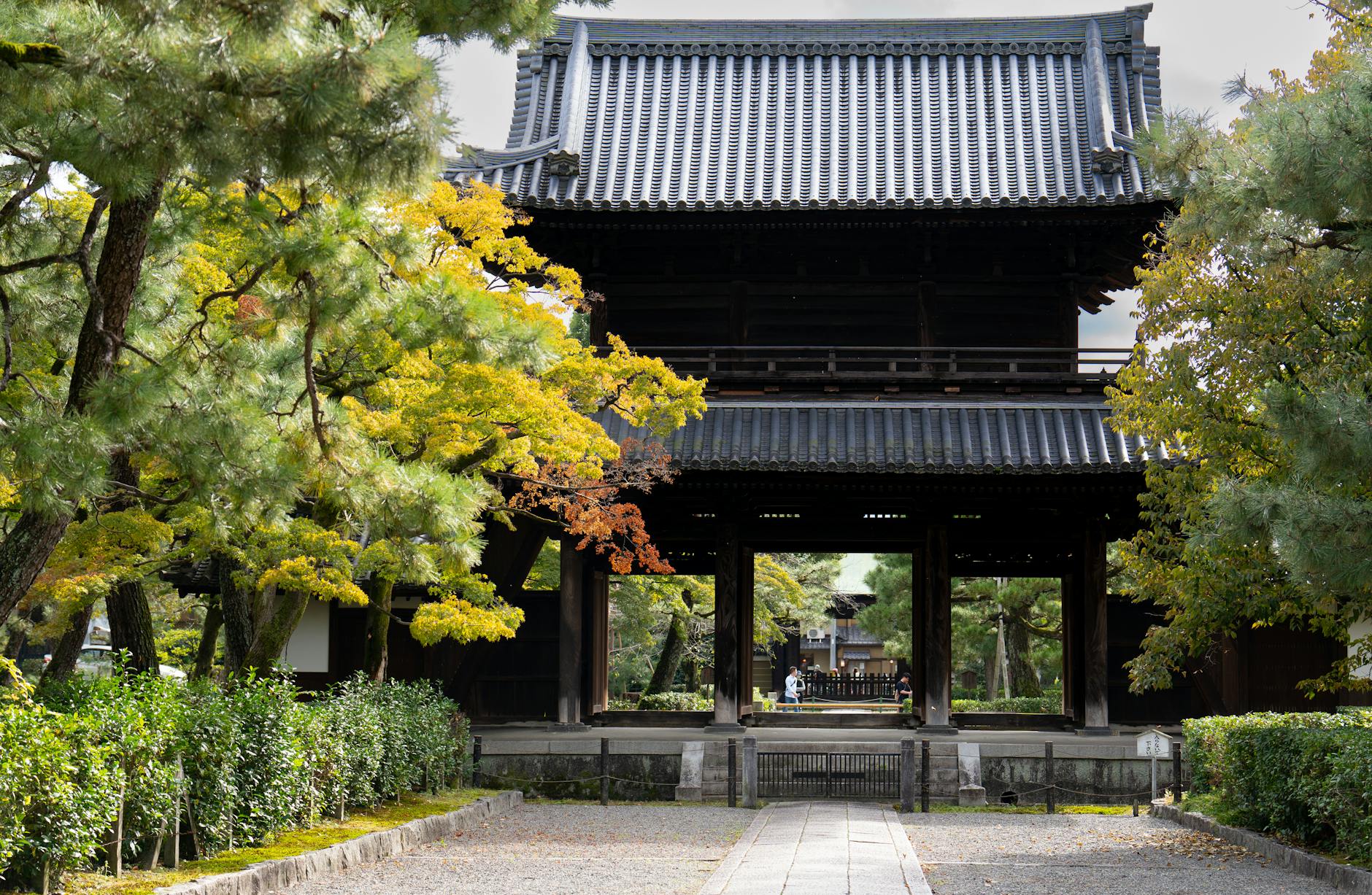
For extended stays in places like Kyoto and Kanazawa, look at machiya rentals — traditional wooden townhouses from the Edo period, often managed by preservation firms. You get private gardens and expansive living space in a piece of living history. Expect steep stairs, minimal insulation, and no concierge. For stays longer than a few weeks, Sakura Mobile’s home internet plans solve the connectivity gap that short-term eSIMs don’t cover.
For something deeper: shukubo (temple lodgings) offer monastic schedules, morning sutra chanting, meditation, and refined Buddhist vegan cuisine. Farm stays connect you with rural Japan’s interior — rice harvesting, vegetable cultivation, and an honest look at rural depopulation that no city tour will show you.
Driving in Japan: When You Need a Car
To access regional Japan’s edges — where train maps go blank — you need a rental car. Don’t drive in Tokyo, Osaka, or Kyoto (traffic, narrow streets, insane parking fees). Do drive in Kyushu, Shikoku’s interior, and Nagano’s mountains.
Getting Your License Sorted
Japan enforces 1949 Geneva Convention standards for International Driving Permits — no exceptions. Show up without the right document and you’re denied at the counter, no refund. For Canadians, the sole issuer is CAA. You need a valid full provincial license (G or G2 in Ontario, not a learner’s), two passport photos, and $32 CAD. Valid for one year; carry it with your domestic license at all times.
Your Canadian health coverage has zero validity in Japan. If you’re driving mountain passes in Hokkaido or Shikoku’s coastal roads, you want insurance covering rental vehicle incidents and emergency medical evacuation. Sacraw — their policies handle exactly this, and the claims process doesn’t require fighting through a call center from a hospital in Obihiro.
Navigation and Tolls
Toyota Rent a Car, Times, and Nippon Rent-A-Car all service foreign clients at airports and Shinkansen hubs. Request English GPS — navigating mountain passes in Japanese is dangerous. Run Google Maps on a mounted phone as backup for outdated internal maps.
Japanese highways are privatized and heavily tolled — roughly ¥24 per kilometer. Get an ETC card from the rental agency at pickup. It slots into the dashboard for automated toll gates and triggers regional and off-peak discounts.
| Common Highway Route | Distance (Approx) | Estimated Toll Cost (Regular Vehicle via ETC) |
|---|---|---|
| Tokyo to Kawaguchiko (Mt. Fuji) | 100 km | ¥3,000 |
| Tokyo to Nagoya | 347 km | ¥6,950 |
| Tokyo to Kyoto | 476 km | ¥10,370 |
| Osaka to Hiroshima | 320 km | ¥6,290 |
| Sapporo to Hakodate | 310 km | ¥6,000 |
One rule: street parking doesn’t exist in Japan and is heavily penalized. Use designated pay lots or the free lots at supermarkets and convenience stores.
Eating Like a Return Visitor
First-timers eat ramen chains, conveyor belt sushi, and street snacks. Return visitors hunt standing bars, morning markets, and hyper-seasonal ingredients.
The Depachika Move
The food halls beneath department stores like Mitsukoshi, Isetan, and Daimaru are the pinnacle of Japanese food curation — high-end delis, artisanal bakeries, and meticulously assembled bento boxes. The play: arrive near closing (between 5 PM and 8 PM). Japanese vendors refuse to hold perishable inventory overnight, so staff start slapping yellow discount stickers (hangaku — half price) on premium sushi platters, wagyu boxes, and French pastries. Michelin-adjacent meals for a fraction of retail.
Market Tactics: Tsukiji and Omicho
The wholesale market moved to Toyosu, but Tsukiji’s outer market is still alive and still touristed. Skip the overpriced sushi sets on the main drag. Go deep into the back alleys: Mototane for massive rustic slabs of fresh fish, Tenfusa for piping-hot tempura over rice, Kitsuneya for legendary miso-based beef and organ stew (a working-class staple for decades). For eel without the lacquered-box markup, Nishin Tasuke sells single grilled unagi skewers at accessible prices.
In Kanazawa, Omicho Market specializes in rich, cold-water Sea of Japan seafood. The must-eats: nodoguro (blackthroat seaperch), lightly torched as sushi; botan ebi (sweet botan shrimp); and Kanazawa oden with local kuruma-fu wheat gluten. Go between 10 AM and 1 PM — before domestic lunch crowds hit and afternoon inventory runs thin.
Beyond the market, Kanazawa rewards return visitors with cultural depth. A tea ceremony in the Higashi Chaya geisha district runs roughly 60-90 minutes.
In Osaka, skip Dotonbori — it’s mass-market tourist fare now. The real culinary action is in the alleys of Tenma and Fukushima ward, where authentic innovation thrives in cramped, smoke-filled izakayas and standing bars.
Sake and Whisky: Plan Way Ahead
Distillery tours at Suntory Yamazaki, Hakushu, or Nikka Yoichi are now lottery-only due to explosive international demand. Applications open two months before your target date, one entry per person — it’s pure luck. For sake, Kyoto’s Fushimi district is the historical center, but English-guided tours that go beyond the basics require booking with independent operators well in advance.
How to Budget a Return Trip
The economics changed dramatically in October 2023 when JR hiked the national rail pass nearly 70% — 7-day Ordinary to ¥50,000, 14-day to ¥80,000, 21-day to ¥100,000. The nationwide pass no longer makes sense for most itineraries.
The smart move now: targeted regional passes (JR East Tohoku Area Pass, Kansai-Hiroshima Area Pass) that encourage deeper exploration of one area, combined with domestic flights on LCCs like Peach and Jetstar for big geographic jumps. ANA and JAL also offer deeply discounted fares for foreign tourists.
Because you’re spending less on entry fees to crowded attractions and fewer funds on transit mistakes, that freed-up budget goes toward what actually makes a return trip worthwhile: upgrading to a machiya, booking a domestic flight to a remote trailhead, or financing a multi-course kaiseki dinner. Shift the budget from seeing to doing.
When to Book What
Advanced Japan travel is about locking the anchors early and leaving everything else open.
Six months out, top ryokans open booking windows — rooms with private rotenburo during peak foliage or sakura vanish within hours. Two months out, enter the lotteries for distillery tours and luxury sleeper trains like the Seven Stars in Kyushu.
Once those anchors are secured — the ryokan, the rental car, the internal flight — leave the days between them empty. No minute-by-minute scheduling. Without the pressure to check off the Golden Pavilion, you have space to wander Koenji’s arcades without a map, stumble into a neighborhood harvest festival, or spend an afternoon tracking down a street food vendor in a regional market.
That combination — locked anchors and deliberate empty space — is what separates a return trip from a repeat of the first one.
Pre-Departure Checklist for Return Visitors
If your second (or third, or fifth) Japan trip is taking shape, here’s the execution sequence:
- Lock regional transport early. Book regional rail passes ahead of arrival, or confirm your IDP if driving.
- Book accommodation 3-6 months out for ryokan and onsen towns. High-end properties sell out to domestic travelers before international booking windows open.
- Sort connectivity. Airalo eSIM or Sakura Mobile eSIM — install before departure, activate on landing.
- Book experiences that need reservations. Cultural activities in Kanazawa, Hokkaido, and Hiroshima via Rakuten Experiences.
- Confirm insurance coverage. If you’re Canadian and driving, Sacraw covers rental vehicles and emergency evacuation from remote prefectures.
{
“@context”: “https://schema.org”,
“@type”: “BreadcrumbList”,
“itemListElement”: [
{“@type”: “ListItem”, “position”: 1, “name”: “Home”, “item”: “https://steviethewanderer.com/”},
{“@type”: “ListItem”, “position”: 2, “name”: “Trip Planning”, “item”: “https://steviethewanderer.com/category/trip-planning/”},
{“@type”: “ListItem”, “position”: 3, “name”: “Japan Travel Beyond the First Trip: The Return Visitor’s Playbook”}
]
}