Japan Tipping Culture — What Happens If You Tip (And What to Do Instead)
Don't tip in Japan. Anywhere. It's not just unnecessary — it can cause genuine confusion or embarrassment. Here's what actually happens if you try, the rare exceptions, and how to show appreciation the right way.
Don’t tip in Japan. Anywhere. Not at restaurants, not in taxis, not at hotels, not at bars. It’s not just unnecessary — it can cause genuine confusion and, in some cases, real embarrassment. The entire service economy operates on the assumption that excellent work is the baseline, not something that requires a financial reward from the customer.
Why Tipping Doesn’t Exist in Japan
It comes down to professional pride. In Japanese work culture, doing your job exceptionally well isn’t going above and beyond — it’s the minimum. The sushi chef who spent a decade learning rice preparation isn’t performing for tips. He’s fulfilling his professional obligation. The convenience store clerk who packages your bento with care isn’t hoping you’ll drop coins in a jar.
There’s a word for this: omotenashi. Often translated as “hospitality,” but that undersells it. Omotenashi means anticipating what someone needs before they ask, without expectation of recognition. Attach a monetary reward to that act and you’ve fundamentally misunderstood what’s happening.
The economics support it too. Service workers earn a living wage. Restaurants don’t subsidize labor by relying on customer generosity. Prices reflect the full cost of operation, including the labor of the person serving you. When you tip, you’re implying the system is broken — that this person isn’t being paid enough — and that’s uncomfortable in a culture built on workplace dignity. If you want to understand exactly how this plays out when you’re eating across different budget levels, my Japan dining guide from budget to kaiseki walks through what you’re actually paying for at each tier.
What Actually Happens If You Tip
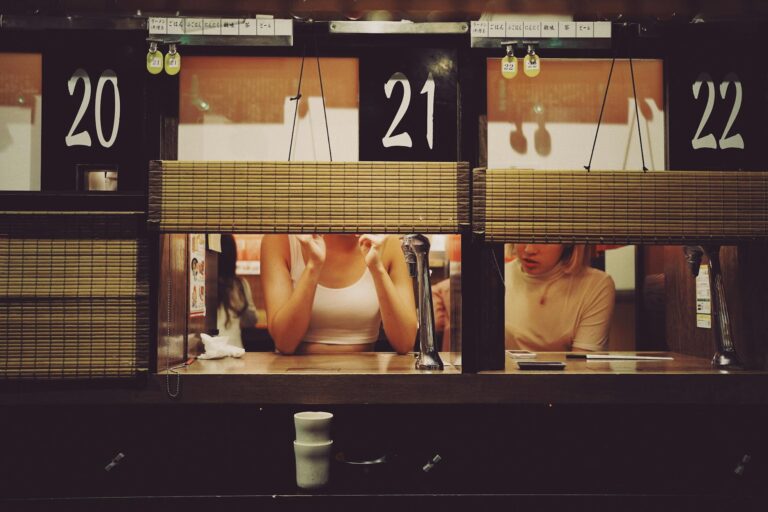
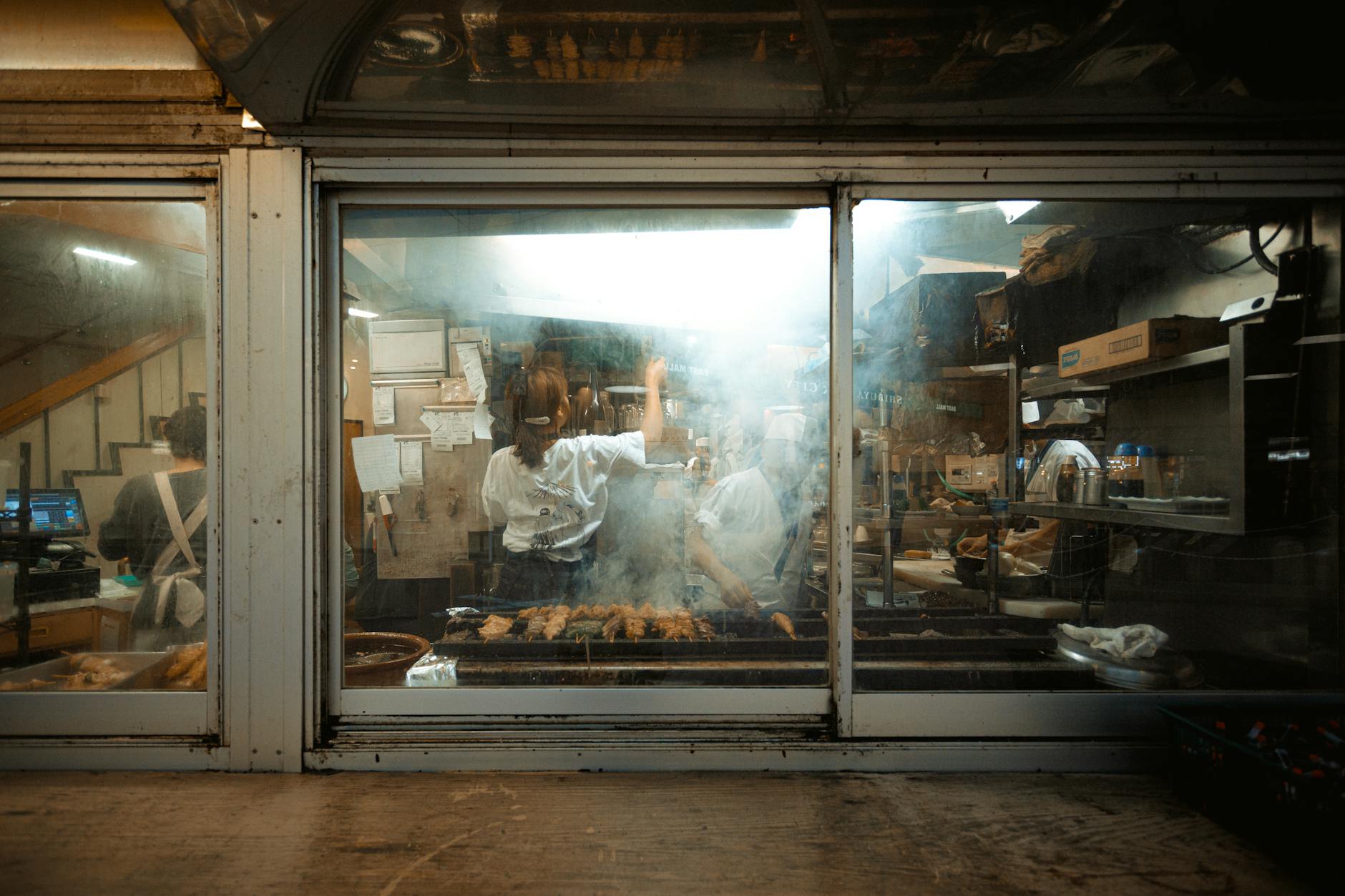
I learned this the hard way in Osaka. After a phenomenal dinner at a small izakaya in Tenma — eight seats, a chef who remembered what I ordered three nights earlier — I left a few thousand-yen notes on the counter as I headed out. What I expected was a quiet nod. What I got was the chef leaving his station, coming around the counter, and chasing me into the alley to return the money. He was smiling but flustered, pressing the bills back into my hands with a bow and something I didn’t fully catch but understood completely: you forgot this.
He genuinely believed I’d made a mistake. In a way, I had.
That’s the most common outcome, and it plays out differently depending on the setting:
Restaurants: Staff will chase you down. At sit-down places, they’ll bring the money to your table with a polite explanation. At counter joints, they’ll physically stop you from leaving. Some restaurants have started putting small signs near the register — in English — explaining that tips are not accepted.
Taxis: Japanese taxi drivers are meticulous about exact change. If you round up from 1,780 to 2,000 yen (~$18.20 CAD) and say “keep it,” the driver will methodically count out your 220 yen (~$2 CAD) and place it in the tray. This isn’t stubbornness. The transaction has a correct amount, and that amount will be honored. The automatic doors, the white gloves, the lace seat covers — all standard.
Hotels: Western-chain hotels in Tokyo have trained their staff to handle this gracefully, since it happens constantly with foreign guests. They’ll typically decline politely or redirect you to a service charge on the bill. At Japanese-style accommodations, leaving money in the room creates an awkward situation for housekeeping, who will report the “forgotten” cash to the front desk. You may get a call asking you to come collect it.
Ryokans: This is actually the exception — covered below. If you’re staying at a ryokan, read my guide to booking a ryokan in Japan first — the booking process itself has etiquette layers worth knowing before you arrive.
The Exceptions
There are exactly two situations where a monetary gesture has cultural context in Japan, and both come with specific protocols.
Kokorozuke at traditional ryokans: At high-end traditional inns, it’s occasionally appropriate to give a small cash gift to your nakai-san — the attendant who manages your room, serves kaiseki dinner, and prepares your futon. This isn’t a tip. It’s a gesture of gratitude with strict etiquette. Place 1,000 to 3,000 yen (as of early 2026) (~$9-$27 CAD) in a small white envelope (pochibukuro, available at any convenience store). Present it at check-in, not departure. Hand it with both hands and a small bow. If declined, don’t push it. Many modern ryokans include a service charge that makes kokorozuke unnecessary.
Private tour guides: Guides who regularly work with international visitors exist in a gray zone. They won’t expect a tip, and many will decline cash. But guides who’ve spent a full day customizing an experience for you — navigating language barriers, making restaurant reservations, adjusting plans on the fly — sometimes accept a gesture gracefully. A small gift from your home country (Canadian maple syrup goes over extremely well, for the record) often lands better than cash. You can browse cultural experiences on Rakuten — check the listing details, as some international-facing operators include a note about gratuity in their booking terms.
How to Show Appreciation Instead
The good news is that Japan has a rich vocabulary for expressing gratitude that doesn’t involve your wallet. These carry far more weight than money ever could.
Verbal thanks — done properly. After a meal, say gochisousama deshita (go-chee-so-sa-ma desh-ta). It means “that was a feast” and works for everything from a Michelin dinner to a 500-yen (~$4.55 CAD) ramen bowl. Say it to the chef as you leave with a small bow. Faces light up every time.
A sincere arigatou gozaimasu. Not a quick “arigatou” tossed over your shoulder. The full phrase, eye contact, slight bow. The effort registers.
Google reviews and return visits. Small restaurants live and die by review scores. A genuine Google review in English that helps other travelers find the place is worth more than a thousand-yen tip. Returning to the same spot twice during a trip tells the owner everything.
Small gifts from home. Omiyage — bringing gifts when you visit — runs deep in Japanese culture. Maple cookies, chocolates, anything distinctly from your country. I keep a few packs of maple cream cookies in my luggage for exactly this. Wrap it if you can. Presentation matters.
The Western Tipping Reflex
Coming from North America or Australia, where the tip prompt has crept to 20-25% and counter-service tipping pressure is relentless, Japan feels like another planet. The first few days, you’ll feel guilty. The service is extraordinary — better than anything you’re paying 20% for back home — and your instinct screams to leave something.
Resist it. Here’s how I broke the reflex:
Pay with cash. Japan is still heavily cash-based, especially at the places worth eating at. When you hand over exact change or receive exact change back, there’s no awkward moment where you’re deciding what to add. The transaction is clean and complete.
Use IC cards for transit. Suica or Pasmo. Tap and go. No tip screen, no interaction, no guilt. Taxis accept IC cards too — the meter amount is the amount.
Reframe the experience. You’re not receiving charity-level service. You’re experiencing what happens when workers are compensated properly and take professional pride in what they do. That perspective shift is the real takeaway — and it might ruin Canadian restaurants for you permanently.
Redirect the energy. Instead of calculating percentages, invest that mental energy into learning the phrases that matter. Gochisousama deshita after meals. Osewa ni narimashita (you’ve taken great care of me) at a ryokan checkout. Mata kimasu (I’ll come again) at a restaurant you loved. This is the currency that counts.
While you’re recalibrating expectations for Japan, sort your travel insurance before you fly — provincial health coverage covers almost nothing abroad. I use TuGo and have a breakdown of exactly why in my insurance guide.
One more thing to sort before departure: connectivity. Sort your eSIM before you land — I use Airalo and it’s one less thing to figure out on landing. Nothing breaks your cultural adjustment faster than standing in an airport WiFi queue when you should be on the train.
Frequently Asked Questions
Is it rude to tip in Japan?
It’s not rude exactly, but it causes genuine confusion. Most service workers will assume you left money by accident and will chase you down to return it. In some contexts, tipping can imply the person needs charity, which is embarrassing for both parties.
Do you tip taxi drivers in Japan?
No. Japanese taxi drivers do not accept tips. If you round up or leave extra cash, the driver will calculate the exact change and hand it back. Automatic doors, white gloves, spotless interiors — that’s standard service, not a tip-worthy upgrade.
Should I tip at a ryokan?
This is the one genuine exception. At traditional ryokans, kokorozuke (a small cash gift in an envelope) is sometimes given to the nakai-san who manages your room and meals. Place 1,000 to 3,000 yen (~$9-$27 CAD) in a small white envelope and present it at check-in. It’s not expected, but it’s the one context where a monetary gesture has a cultural framework. See my ryokan booking guide for the full check-in etiquette.
Do hotel staff in Japan expect tips?
No. Hotel bellhops, housekeeping, and concierge staff do not expect tips. Western-brand hotels in Tokyo and Osaka are accustomed to foreign guests leaving money, but staff are trained to return it. Service charges, when applicable, are already included in the bill.
What about tipping tour guides?
Private tour guides who regularly work with international visitors sometimes accept tips gracefully, though they won’t expect them. A small gift from your home country is often more appreciated than cash. You can browse cultural experiences on Rakuten — some include a note about gratuity in their listing details.
How do I show appreciation for good service in Japan?
Say gochisousama deshita after a meal. A small bow and sincere arigatou gozaimasu goes further than money ever could. Leaving a positive Google review, returning to the same restaurant, or bringing a small wrapped gift from your home country are all meaningful gestures that land the way you want them to.
Before You Go — Action Checklist
- Drop the tip reflex now, not on landing. Decide before you go that you’re not tipping. The debit machine guilt trip doesn’t exist in Japan. Make peace with it at home so you’re not flustered at the register.
- Get yen in cash before you fly. Japan is still heavily cash-based at the restaurants, izakayas, and street stalls worth eating at. Cash means clean transactions with no tip prompt. Get ¥50,000-80,000 (~$455-$727 CAD) ready before departure.
- If you’re staying at a ryokan, prep your kokorozuke envelope. Buy a small white envelope (pochibukuro) before you check in. Load it with ¥1,000-3,000 (~$9-$27 CAD). Present it at check-in with both hands. Read my ryokan booking guide for the full protocol — and check the onsen tattoo policy guide if that applies to your stay.
- Learn three phrases. Gochisousama deshita (after meals). Arigatou gozaimasu (thank you, full form). Mata kimasu (I’ll come again). These three do more than any cash ever could.
- Pack a small gift from home. A few packs of maple cream cookies, a tin of something distinctly Canadian. Save them for the izakaya owner who goes out of their way for you, or the ryokan nakai-san. Wrap it if you can — presentation is part of the gesture.
- Sort travel insurance before you fly. Provincial health coverage covers almost nothing in Japan. I use TuGo — my insurance guide for Canadians heading to Japan has the full breakdown of what’s covered and what isn’t.
- Sort your eSIM before departure. I use Airalo — buy and install the profile before you leave home. You want to be on Google Maps and Google Translate the moment you clear immigration, not standing in a SIM queue recalculating your budget.
A few words go a long way here. If you want to travel with more than a phrasebook, learn enough Japanese to travel confidently with Tabiji Academy