The Nikko Day Trip Lie: Why Driving Unlocks the Real Destination
Nikko is far more than the famous temples. Here is how to drive the back roads, reach Senjogahara at sunrise, and see the version most tourists never find.
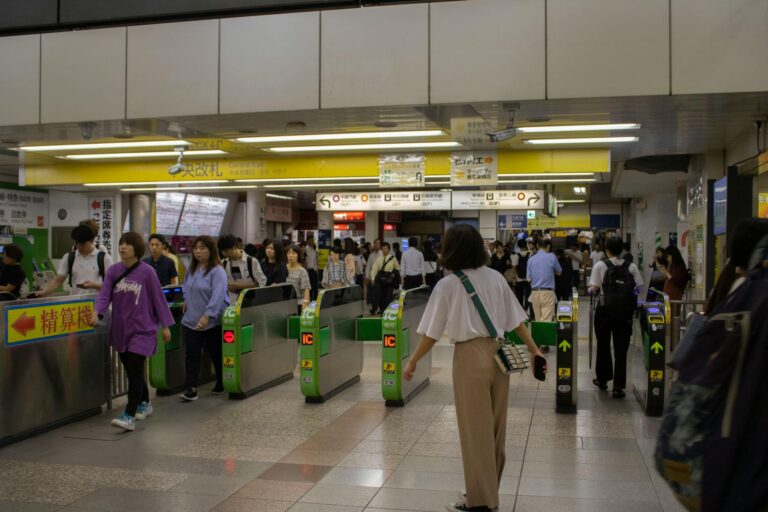
Every guide says Nikko is an easy day trip from Tokyo. Take the Tobu Limited Express, arrive in two hours, see the shrines, bus to the lake, home by dinner.
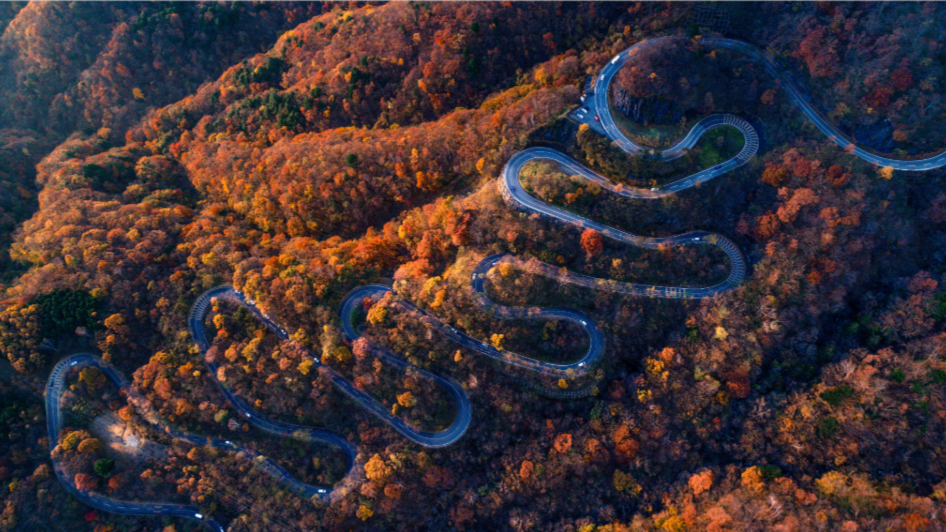
The train gets you to Tobu-Nikko Station at 543 meters elevation. That’s not Nikko. That’s a transfer node. The destination you came to see—Lake Chuzenji, Kegon Falls, Senjogahara Marshland, Yumoto Onsen—sits at 1,300 meters, accessed via 48 hairpin turns on the Irohazaka switchbacks.
The bus technically connects these tiers. In practice, it packs you standing-room-only through those switchbacks, locks you to an hourly schedule, and forces you to choose between the shrines or the highlands because there isn’t time for both.
What the Bus Schedule Actually Looks Like
The “golden window” for reaching Okunikko is tight. Between 8:45 AM and 10:05 AM, four direct buses run from the station to Yumoto Onsen.
Miss the 10:05 AM—late train, stopped for breakfast, visited Shinkyo Bridge—and you’re on the 10:35 AM bus that terminates at Chuzenji Onsen. Now you need a transfer: disembark, wait 20-40 minutes for a connecting bus that may already be full. During peak season, you could be denied boarding entirely.
The return is worse. Last buses depart late afternoon. Miss one and you’re facing a ¥12,000-15,000 taxi. That fear forces transit travelers to leave the highlands by 4 PM, right when the light turns beautiful.
And the ride itself: 50 minutes standing through 48 hairpin turns while a heavy vehicle accelerates and brakes. You arrive at the trailhead already exhausted.
What Driving Unlocks
Hangetsuyama: The View Transit Can’t Reach
The Chuzenji Skyline climbs the ridge south of Lake Chuzenji—a toll-free road terminating at Hangetsuyama. The bus service here runs seasonally, 3-4 times daily, and stops entirely by late November.
Canadians driving here should check their travel-medical cover first.
For drivers, it’s a 15-minute detour from the lake. The observation deck offers the definitive panorama: Mount Nantai, the Hatcho Dejima peninsula cutting into the lake, Mount Fuji visible on clear days. Widely considered Nikko’s finest view—and effectively inaccessible without a car.
Akechidaira: Without the Gamble
The famous viewpoint over Kegon Falls is accessible only via the ascending Irohazaka road. Bus passengers can technically stop here, but the logistics punish them: disembark with luggage, queue 30-60 minutes for the ropeway, then wait for the next bus—which during peak season may be full.
Drivers park in the free lot, take the ropeway, and return to their car. No wait for the “next vehicle.” The car is a reserved seat that waits for you.
Kanmangafuchi Abyss: From Detour to Easy Stop
The row of moss-covered Jizo statues along the Daiya River requires a bus to Tamozawa, then a 15-20 minute walk through residential streets. Round trip: nearly an hour of transit for a 30-minute site. Most day-trippers skip it.
Drivers park near the river in under 10 minutes from the shrine area. The entire excursion fits into 45 minutes.
The Price Reality
The Nikko All Area Pass now costs ¥8,000 per person—nearly double what it was a few years ago. That shift changed the math entirely.
If you are not driving, the train-and-bus alternative is covered if you already hold a JR Pass.
Transit (two adults):
-
Nikko All Area Pass: ¥8,000 × 2 = ¥16,000
-
Limited Express surcharge: ~¥3,000 × 2 = ¥6,000
-
Total: ¥22,000
Driving (two adults):
-
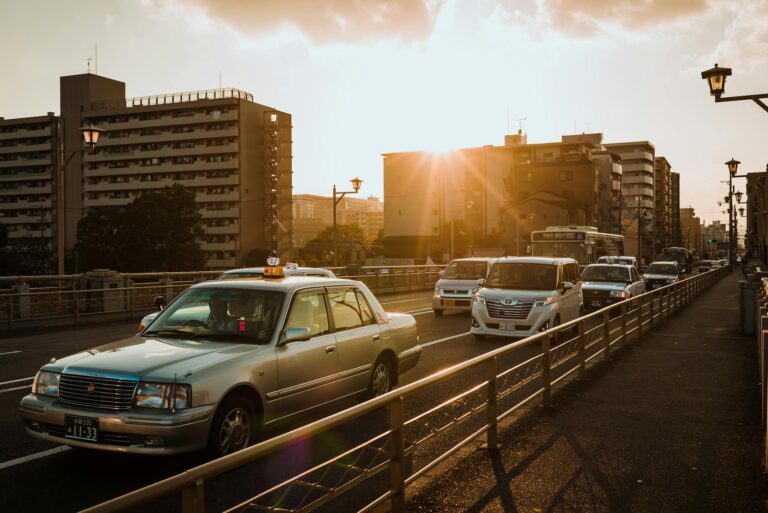
Compact car rental (via Japanese rental agencies ): ¥7,000-9,000
-
Highway tolls (round trip): ¥6,000-8,000
-
Fuel (~300km): ~¥3,000
-
Parking: ~¥1,500
-
Total: ¥17,500-21,500
For a couple, driving is cost-competitive or cheaper. For three people, driving saves ¥11,000. The “expensive rental” objection no longer holds.
The Autumn Problem
During peak foliage (October-November), Irohazaka becomes a parking lot. The 20-minute drive decomposes into a 3-hour crawl.
The solution: Enter Irohazaka by 6:30 AM—before the first Limited Express from Tokyo even arrives at Nikko Station. That 90-minute head start is the difference between clear roads and gridlock.
I left Shinjuku at 6:30 AM on a Tuesday and hit the Irohazaka switchbacks by 9 AM with zero traffic. The autumn leaves on the upper hairpins were worth the early alarm alone — and the lakeside at Chuzenji was completely empty until the tour buses arrived around 11.
Train users can’t arrive earlier without staying overnight. Drivers control the start time.
The Bottom Line
The train gets you to the edge of the map. The car gets you into the territory.
What driving unlocks:
-
30% more sites in the same time window
-
Elimination of missed connections and transfer penalties
-
Control over start time (critical for autumn)
-
Cost savings for groups of two or more
If you’re satisfied seeing shrines in the lower town, the Tobu Railway is sufficient. If you came for the alpine plateau—the marshlands, the panoramic skyline, the milky waters of Yumoto—the car is the prerequisite.
A foreign driver’s licence is invalid here without an International Driving Permit, which must be acquired from the CAA or AAA before leaving home. Once my paperwork is in order, I usually arrange my vehicles through a Japanese car rental aggregator.