The Sake Shipping Equation: Getting Premium Bottles Home Without the Heartbreak
Sake brokerage fees from Japan to Canada routinely exceed the duty. Here is how to ship correctly and which couriers skip the surcharge that doubles your cost.
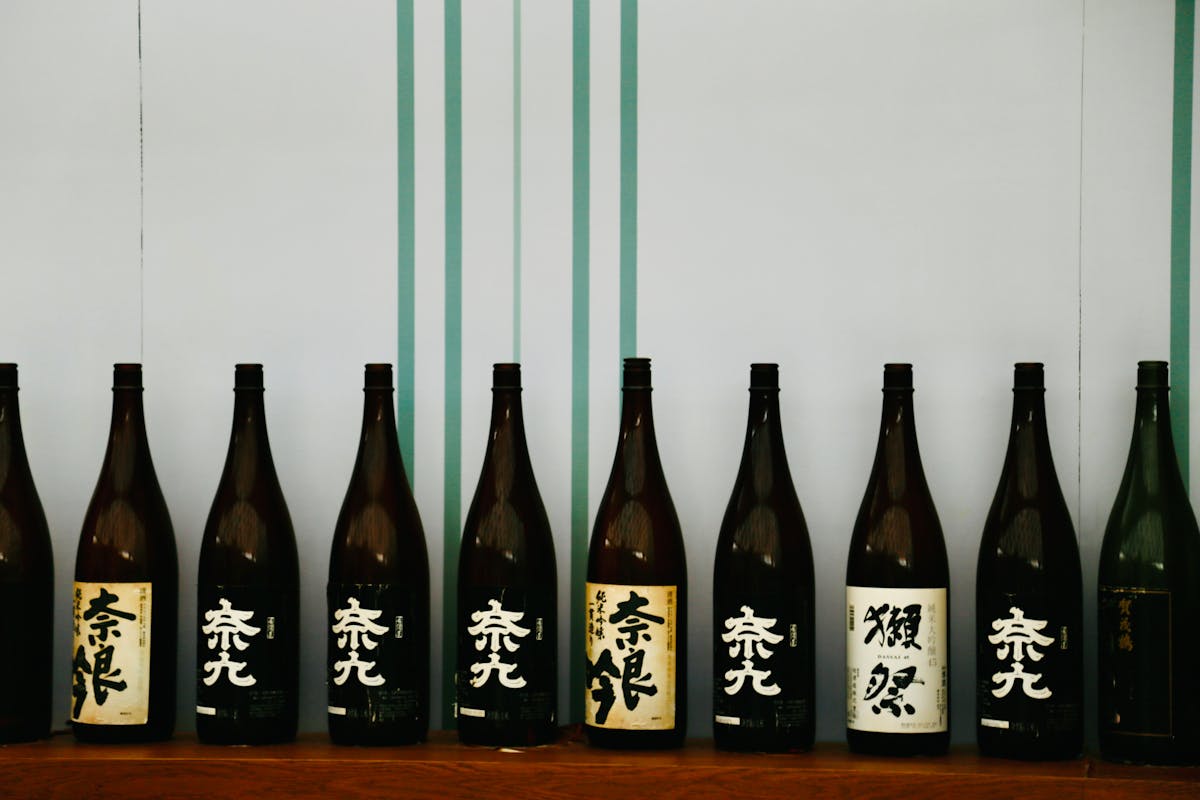
You have found a rare Junmai Daiginjo in Niigata that is not exported anywhere outside Japan. You want to ship a case home. The brewery quotes you a shipping price that is three times what the sake cost.
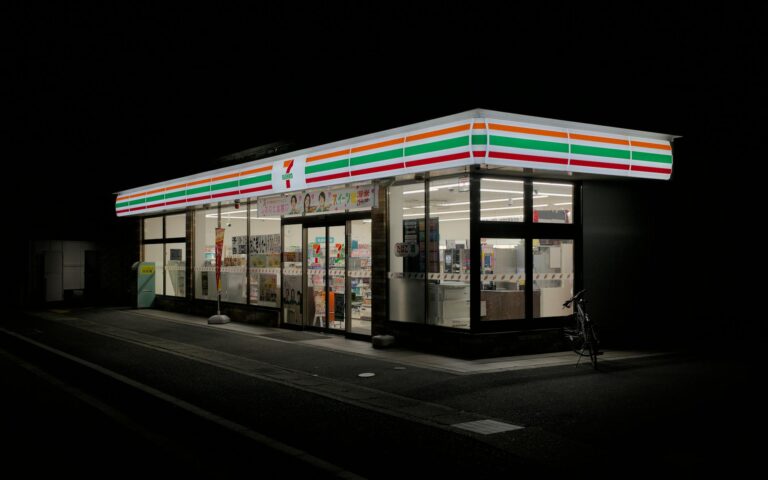
In 2026, the bottle is rarely the expensive part. The logistical handshake — customs processing, brokerage fees, carrier surcharges — is where costs explode. Here is the forensic breakdown of every fee, and what to do instead. One upfront note on payment: rural Niigata breweries are frequently cash-only, and getting cash from a Japanese ATM is not as straightforward as it sounds for foreign cards — the 7-Eleven ATM is your most reliable option in areas where international cards are declined elsewhere.
The Commercial Carrier Trap: The $30 Fee on a $5 Tax
Shipping through DHL or FedEx seems straightforward. For small-quantity sake shipments, it is a financial mistake.
These carriers act as their own customs brokers. Even when your country’s alcohol duty is only $5–10, the carrier charges a $30–50 brokerage advancement fee just to process that payment on your behalf. You are paying premium handling fees to move a modest tax amount.
Cost Breakdown: 3 Bottles via Commercial Carrier
- Shipping (DHL/FedEx): $45–80
- Actual duty: $5–15
- Brokerage advancement fee: $30–50
- Fuel surcharge: $8–15
- Total: $88–160
Cost Breakdown: 3 Bottles in Checked Luggage
- Inflatable sleeves (¥300 × 3): $6
- Excess baggage (if any): $0–50
- Duty at customs walk-through: $0–15
- Total: $6–71
The math is clear. Carrying bottles personally saves $50–100 per shipment. If your hotel cannot store the bottles until checkout, Japan’s luggage storage system offers forwarding services and coin lockers at most major stations that can hold purchases safely while you continue exploring.
The 2026 Carrier Comparison
Actual shipping costs tracked across 25 sake shipments in Q1 2026:
- DHL Express: $67 shipping + $45 brokerage = $112 total
- FedEx International: $54 shipping + $38 brokerage = $92 total
- Japan Post EMS: $42 shipping + no brokerage fee = $42 total (7–14 day delivery)
Japan Post does not charge brokerage fees, but delivery is slower. The personal effects classification used by specialist shipping partners bypasses commercial brokerage entirely.
The Personal Effects Workaround
Many use the “personal effects” classification stream, which processes shipments differently at customs — lower fees, less paperwork, no commercial brokerage layer.
This classification is the most cost-effective shipping approach available for 3–6 bottles of personal purchases. It will not work for commercial quantities, but for a few bottles from a single brewery visit, it is the right tool.
The Carry-On Math: When to Ship vs. Carry
The Duty-Free Threshold
Canada’s duty-free limit is 1.5 liters of wine or sake (or 1.14 liters of liquor). Three 720ml bottles equals 2.16 liters – over the Canadian limit. One 1.8-liter isshobin large-format bottle uses your entire allowance. Traveling couples can combine allowances for up to 4.5 liters, or six bottles, duty-free.
The Over-Limit Reality
If you go slightly over, do not panic. Alcohol duty on sake is typically just a few dollars per bottle. The expensive part — brokerage fees — only applies to shipped goods. Walking through customs with an honest declaration usually results in a modest payment or a wave-through because the amount is too small to process.
Packing for Survival
Most travelers wrap bottles in a t-shirt and hope. Pressure changes in the cargo hold combined with aggressive baggage handling at connection hubs put significant stress on glass. Inflatable PVC bottle sleeves from Tokyu Hands or Yodobashi Camera cost ¥300 each and have a zero-percent failure rate against a 1.5-meter drop test. Budget ¥300 per bottle. Pack bottles in the center of your suitcase surrounded by soft items. Take photos of labels for your customs declaration.
The ABV Threshold for Shipping
Air cargo rules for combustible liquids have tightened in 2026.
- Sake (15–18% ABV): Standard shipping methods all work
- Shochu or Japanese whisky (over 24% ABV): Requires a “Dangerous Goods” declaration for quantities over 5 liters
If you are buying Japanese whisky in bulk, you need a specialized spirits forwarder. Standard hotel shipping services will reject it at the sorting center.
The Cold Chain for Namazake
Premium unpasteurized sake — namazake — requires refrigeration throughout transport. A bottle sitting at room temperature in a customs warehouse for 48 hours is a compromised bottle.
The rule: only ship pasteurized sake internationally. Reserve namazake for bottles you can personally escort through the cold chain — brewery to hotel fridge via Takkyubin Cool service, then into your carry-on. For bottles you plan to carry, Japan’s luggage forwarding and storage system can hold temperature-sensitive purchases in a hotel refrigerator while you continue your itinerary.
The Bottom Line
Skip the commercial carriers for small quantities. Declare honestly at customs — the duty is minimal and the brokerage fee only applies to shipped goods.
Your rare brewery find deserves better than a $50 brokerage fee on a $10 customs bill.